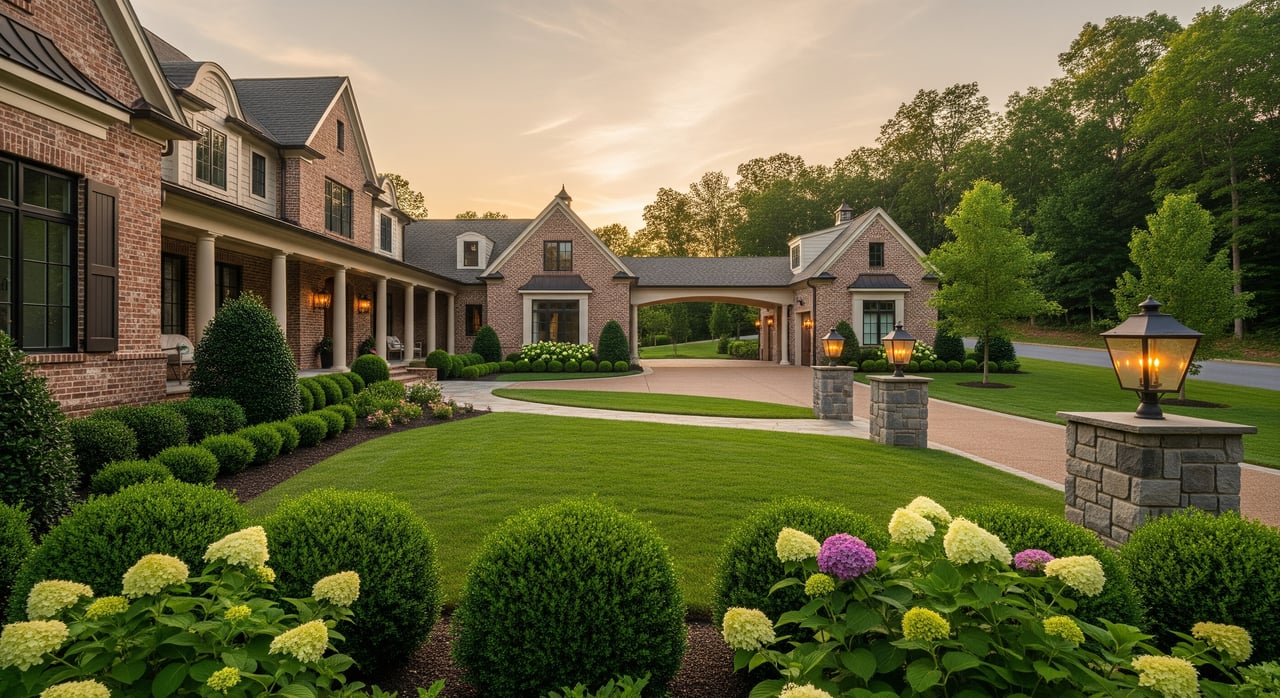
Thinking about a move to Knoxville but not sure where to start? Choosing a neighborhood from afar can feel overwhelming, especially when you care about schools, commute time, and weekend fun. This easy neighborhood matchmaker helps you cut through the noise. You’ll learn how Farragut compares to other popular areas, what tradeoffs to expect, and a step-by-step way to build a smart shortlist. Let’s dive in.
What matters most when you relocate
Your daily routine depends on more than just a house. As you explore Knoxville, focus on a few core factors that shape everyday life:
- Lifestyle fit: walkability, dining access, green space, and local vibe.
- Housing type and price: new subdivisions, historic homes, townhomes, or condos.
- Commute and access: proximity to I-40/I-75 and your typical drive time.
- Schools and services: school zoning and extracurricular options.
- Recreation and water: river or lake access for boating or trails for hiking.
- Local government and fees: town services, HOA rules, and utility costs.
- Resale and market dynamics: how fast homes move and how competitive offers are.
Keep these in mind as you compare Farragut with other Knoxville areas.
Farragut snapshot: suburban and convenient
Farragut sits in western Knox County near the I-40/I-75 corridors. Many buyers choose it for a calm, suburban feel and an easy car-based lifestyle.
- Vibe: Suburban and family-focused with neighborhood amenities and local parks.
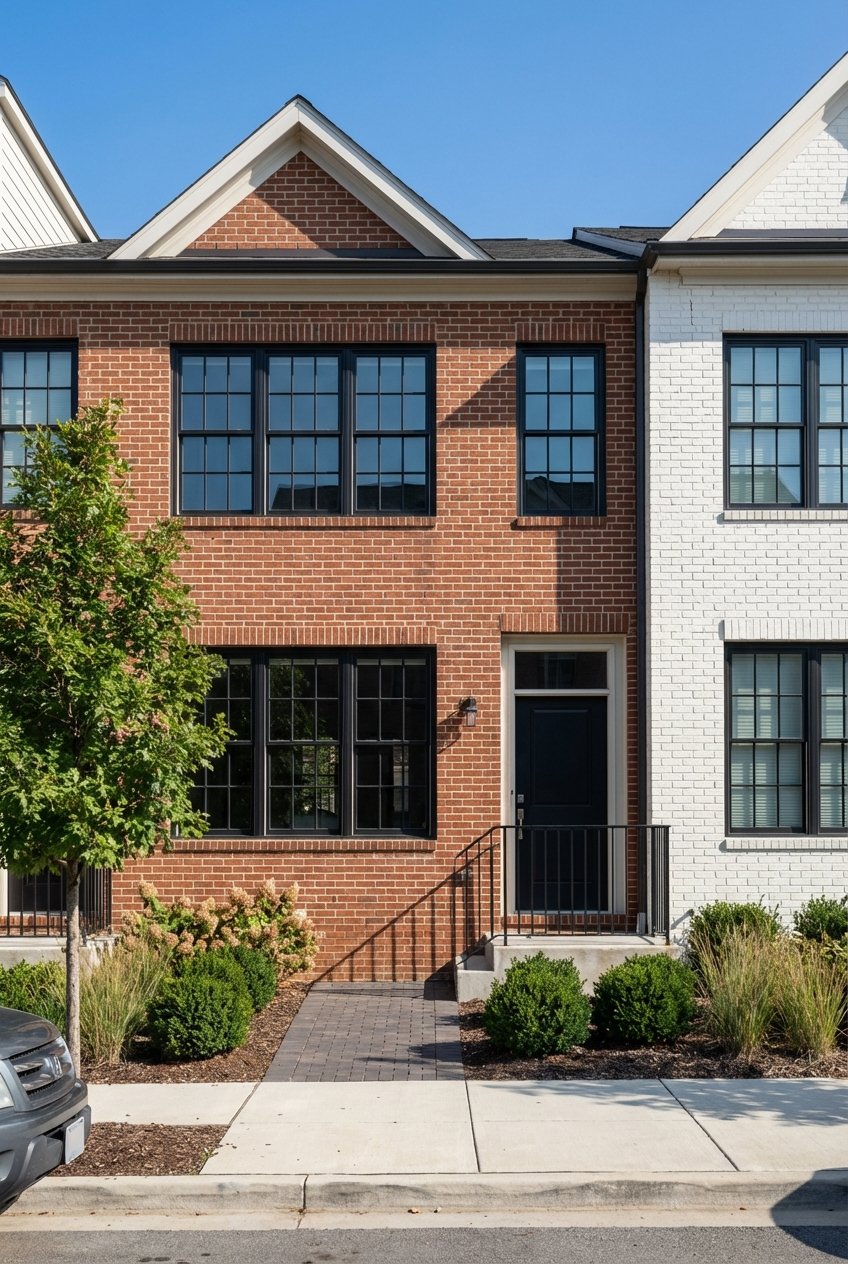
- Homes: Mostly single-family homes in planned subdivisions, with some upscale pockets and townhomes. Lots tend to be larger than in-city neighborhoods.
- Who it fits: Buyers who prioritize schools, yard space, and a quieter street network.
- Commute: Reasonable car commute to West Knoxville, Oak Ridge, and central Knoxville. Peak-hour traffic varies, so check typical patterns.
- Amenities: Grocery options, suburban shopping, and quick access to larger West Knoxville retail districts.
What to verify as you research Farragut:
- Home price ranges and active inventory trends.
- School attendance boundaries and performance details.
- Town services, municipal fees, and HOA rules or dues by subdivision.
Compare popular Knoxville alternatives
Sequoyah Hills: walkable character near downtown
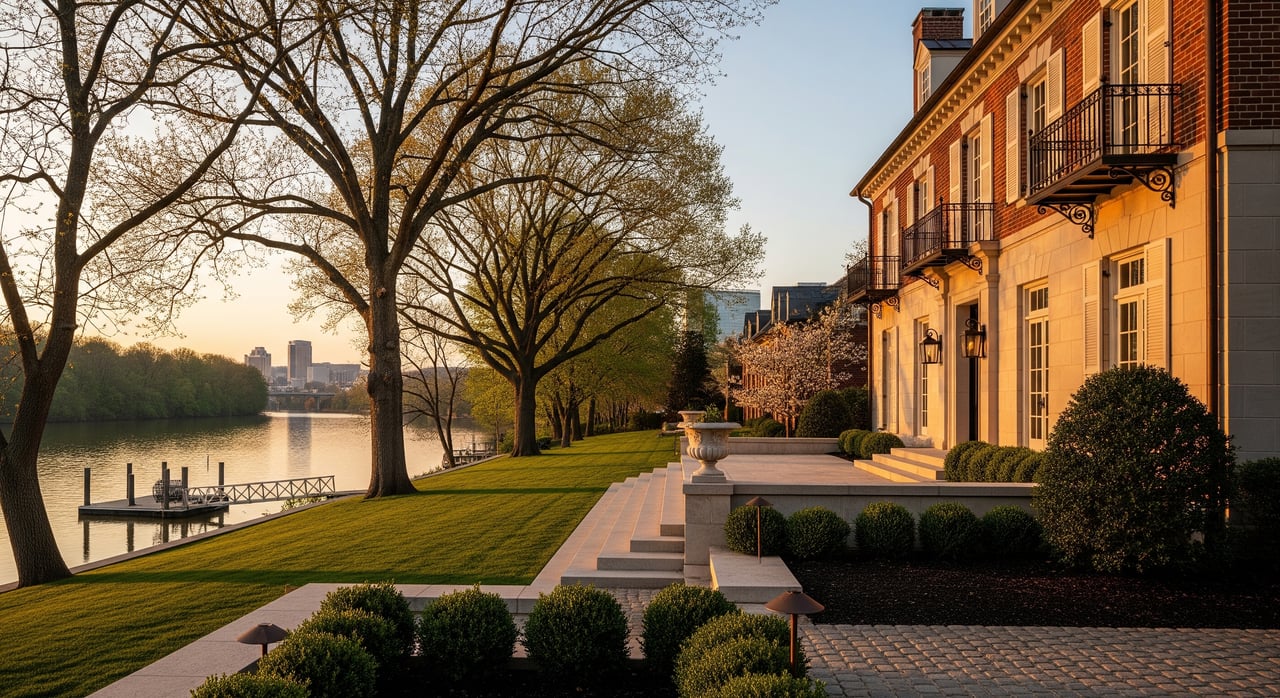
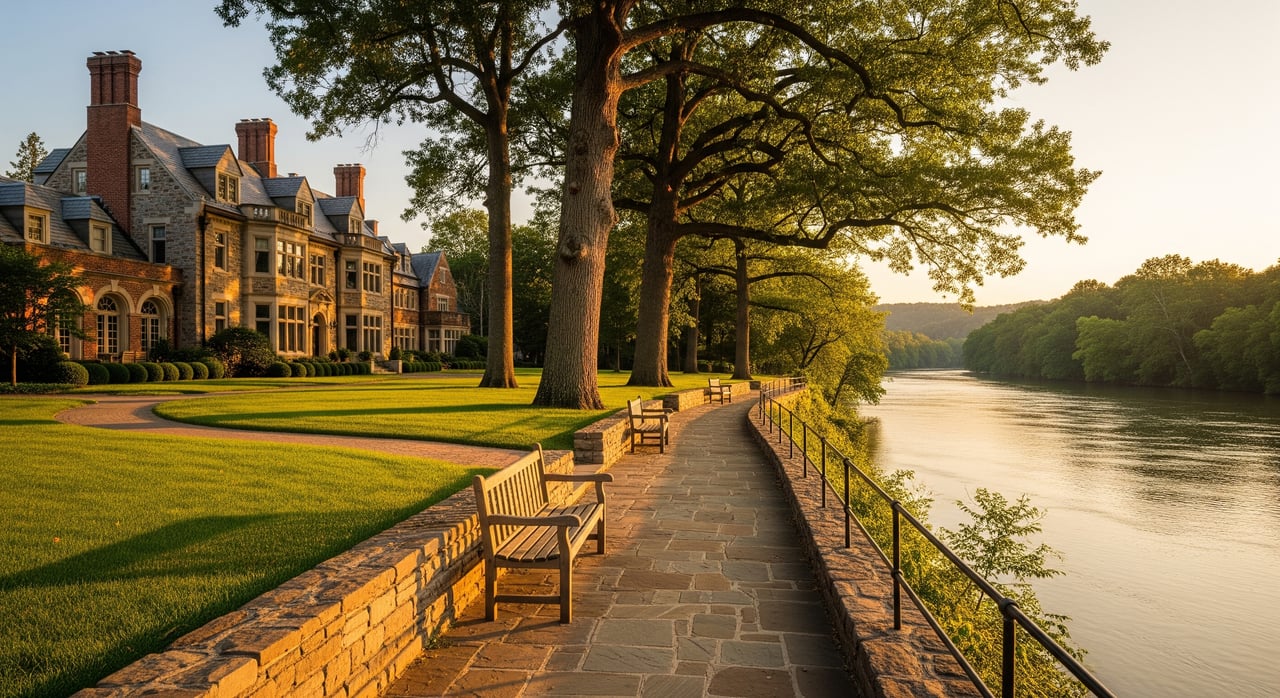
- Vibe: Historic and leafy with strong architectural character and riverfront green space.
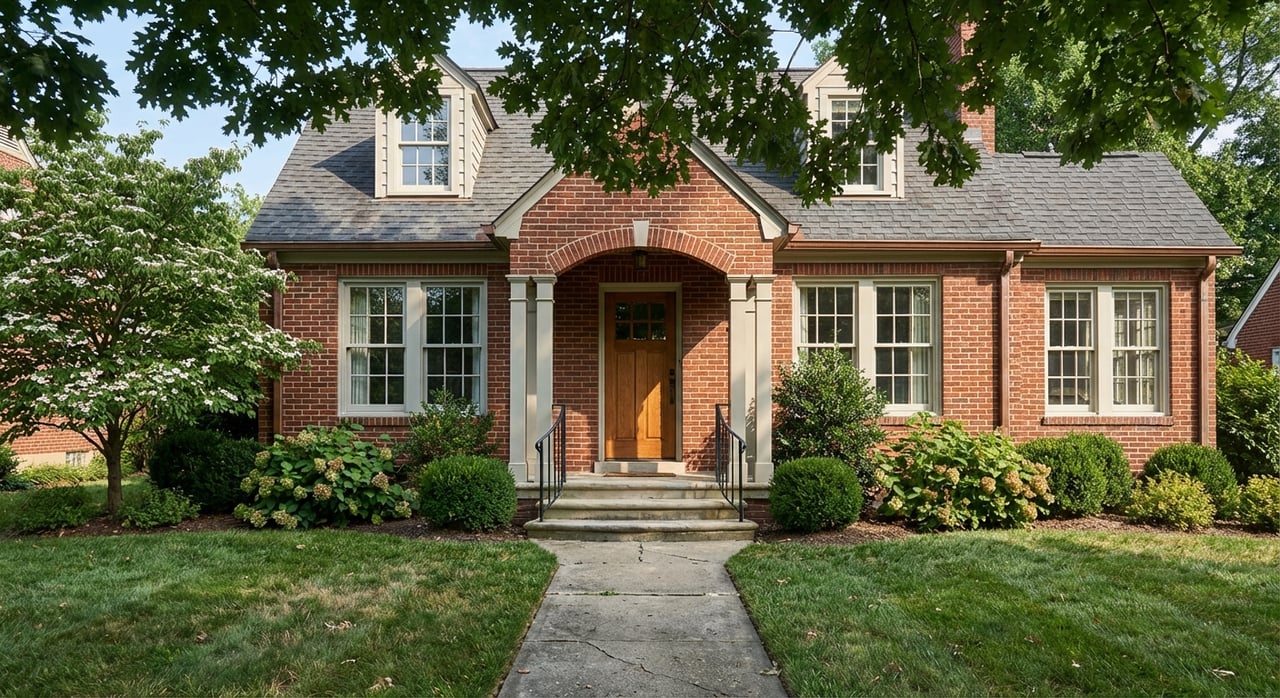
- Homes: Older bungalows, Tudors, and renovated historic houses with mature landscaping.
- Who it fits: Buyers who want walkable streets, quick access to downtown and UT, and neighborhood charm.
- Tradeoffs: Smaller yards than suburban areas; confirm any historic rules, parking limits, and floodplain considerations near the river.
Northshore: mixed-use convenience with water access
- Vibe: A blend of retail, restaurants, newer condos and townhomes, and pockets of single-family homes.
- Homes: Mix of newer and mid-century options with some mid-density living.
- Who it fits: Buyers who want easy shopping and dining, reasonable drives to downtown, and potential river or marina access depending on location.
- Tradeoffs: Walkability varies by block; confirm shoreline rules, flood concerns, and future development plans.
Other areas to keep on your radar
- Downtown / Old City / Fort Sanders: Highest walkability, cultural access, and nightlife. Smaller units, limited yards. Good for urban lifestyles.
- Bearden / West Knoxville: Suburban feel with diverse housing and lots of shopping and dining. A practical middle ground between Farragut and downtown.
- South Knoxville / Ijams area: Outdoor-forward living with trails and nature preserves. Mix of older homes and newer infill for active buyers.
Use this neighborhood matchmaker
Follow this quick framework to go from endless options to a confident shortlist.
Step A: Set your top priorities
Take 5 to 7 minutes and list must-haves vs. nice-to-haves. For example:
- Must: max 30-minute drive to downtown.
- Must: yard over 0.25 acre.
- Nice: nearby boat launch.
- Must: walkable restaurants.
Rank them. This becomes your filter.
Step B: Apply hard filters
Spend 10 to 15 minutes on the non-negotiables:
- Budget, including HOA dues and expected maintenance.
- Home type preference: single-family, townhome, or condo.
- School zoning, if that is required.
- Commute map: draw a 20 to 30 minute drive radius to key work sites.
Step C: Capture 6 fast data points
For each candidate area, jot down:
- Typical home types and age
- Median list price snapshot
- Walk Score estimate
- Commute time to your work locations
- School names for the zone
- Recreation or water access nearby
Use this to pick 3 to 6 neighborhoods that reflect different tradeoffs.
Step D: Quick virtual validation
- Street-view a five-minute walk around a typical block.
- Scan three to five active listings to check finishes and lot sizes.
- Check transit routes if needed and typical traffic during your commute window.
Step E: Score with a simple matrix
Create a small spreadsheet. Rows are neighborhoods. Columns are your top priorities. Score each from 0 to 5 and apply a weight for importance. Sort by the total.
Step F: Plan a visit or curated virtual tour
- In-person: group neighborhoods by geography, and plan for one or two open houses in each.
- Virtual: request video walk-throughs and neighborhood tours focused on the six data points above.
A motivated relocator can get to a strong shortlist in a few focused hours plus a short planning call.
Who matches where
Use this quick guide to align your lifestyle with likely fits.
- Family-first: Farragut or Bearden. Suburban convenience, school options, and yard space. Expect more driving and lower walkability.
- Walkable urban: Sequoyah Hills, Downtown, Old City, or Fort Sanders. Closer to culture and dining. Expect smaller yards and older homes in some areas.
- Lake or river lifestyle: Northshore and areas along the river or Fort Loudoun Lake corridors. Access to marinas and parks varies by spot.
- Value with a commute tradeoff: Outer West Knoxville and parts of South Knoxville. Larger lots and newer subdivisions with longer drives.
Tools to verify your assumptions
Update your research as you go with trusted sources:
- Home prices and inventory: use major real estate portals for a quick snapshot.
- School research: GreatSchools, Tennessee report cards, and Knox County Schools zoning maps.
- Walkability: Walk Score for neighborhood and address-level views.
- Commute: Google Maps typical traffic and Knoxville Area Transit routes and schedules.
- Local rules and taxes: Town of Farragut resources and the Knox County Assessor.
- Parks and water access: City and county parks resources, marinas, and boat-launch directories.
Plan your first scouting day
Whether you are visiting or touring virtually, work from your shortlist and priorities.
- Morning: two neighborhoods with different tradeoffs, such as Farragut for schools and yard space, plus Sequoyah Hills for walkability.
- Midday: lunch near Northshore to sample the mixed-use feel, then drive to a nearby marina or park.
- Afternoon: quick drive of Bearden or a South Knoxville pocket for a value comparison.
Capture notes on street feel, noise levels, lot sizes, and drive times at peak.
How we help in 15 minutes
A short discovery call can save you hours of scrolling. In 15 minutes, we will cover:
- Budget, timing, and financing plan.
- Household needs, pets, parking, and home office needs.
- Ranked location priorities like schools, walkability, yard size, commute, nightlife, or water access.
- Work location and maximum acceptable drive time.
- Deal breakers such as no HOA, single-story only, or floodplain concerns.
After the call, you get:
- A shortlist of 3 to 6 neighborhoods with one-sentence reasons.
- Three representative listings with price, home type, and commute snapshots.
- A recommended tour plan, virtual or in-person, with next-step options.
Ready to make a confident move?
If you want a clear, data-backed plan for Farragut or any Knoxville neighborhood, we are here to help. We combine local know-how with a simple process that fits your timeline. When you are ready, reach out to Tyler Owens to start your shortlist and schedule a tour.
FAQs
How does Farragut compare to downtown Knoxville for buyers?
- Farragut leans suburban with larger lots and mostly single-family homes, while downtown offers higher walkability with condos and apartments, smaller yards, and close-in cultural access.
Are schools in Farragut considered strong, and how should I verify?
- Farragut is commonly cited for strong local schools. Verify with GreatSchools, Tennessee Department of Education report cards, and Knox County Schools zoning maps before you decide.
What commute should I expect from Farragut to central Knoxville?
- Many residents commute by car via I-40/I-75. Check typical traffic during your specific hours using a map tool to confirm your tolerance.
Where can I find water access near Knoxville neighborhoods?
- Water access clusters along the Tennessee River and Fort Loudoun Lake corridors. Confirm public boat ramps, parks, and any shoreline or HOA rules for homes near the water.
How can I quickly narrow my neighborhood list as a relocator?
- Rank your must-haves, apply hard filters, gather six data points per area, do virtual validation, score with a simple matrix, then plan a focused in-person or virtual tour.