Do you want a quiet, tree‑lined neighborhood with river views and daily access to greenways, but still be close to downtown Knoxville and the University of Tennessee? If so, Sequoyah Hills could be a fit. You get classic homes, mature landscaping, and a strong sense of place along the Tennessee River. In this guide, you’ll learn how the parks, riverfront, and community shape everyday life, plus what to know before you buy or sell here. Let’s dive in.
Sequoyah Hills at a glance
- Location: Along the Tennessee River, southwest of downtown Knoxville and near the UT campus.
- Vibe: Quiet, residential streets with a mature tree canopy and curving topography.
- Homes: A mix of early 20th‑century styles, mid‑century, and later renovations or infill.
- Lots: Many larger or wooded lots, plus select riverfront or bluff properties.
- Lifestyle: Daily access to riverfront greenways, neighborhood parks, and outdoor recreation.
- Commute: Short drives to central Knoxville and major employment areas, depending on traffic.
- Walkability: Great for recreation and neighborhood strolls. Most errands are a short drive.
- Schools: Public school assignments vary by address. Verify with Knox County Schools.
- Community: Active neighborhood engagement through civic groups and park activities.
Architecture and housing
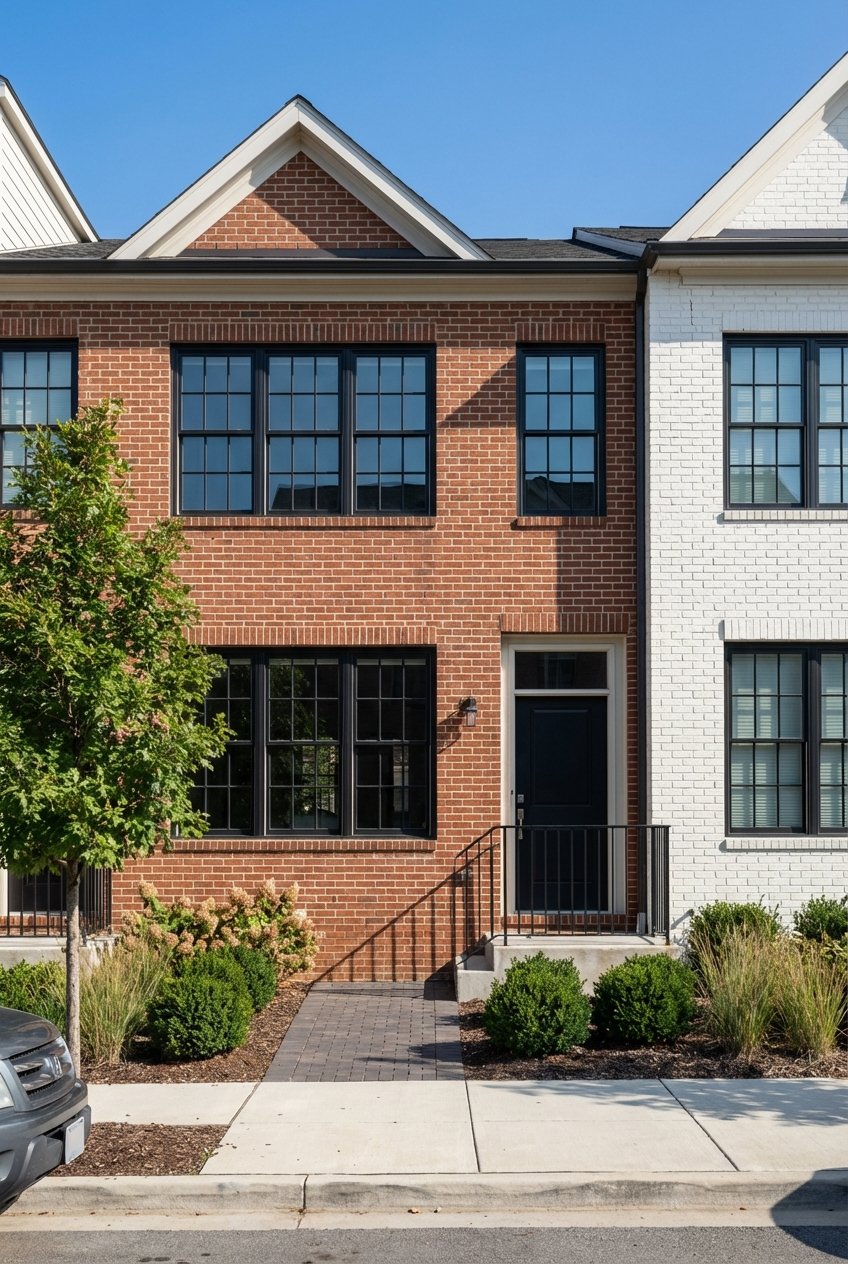
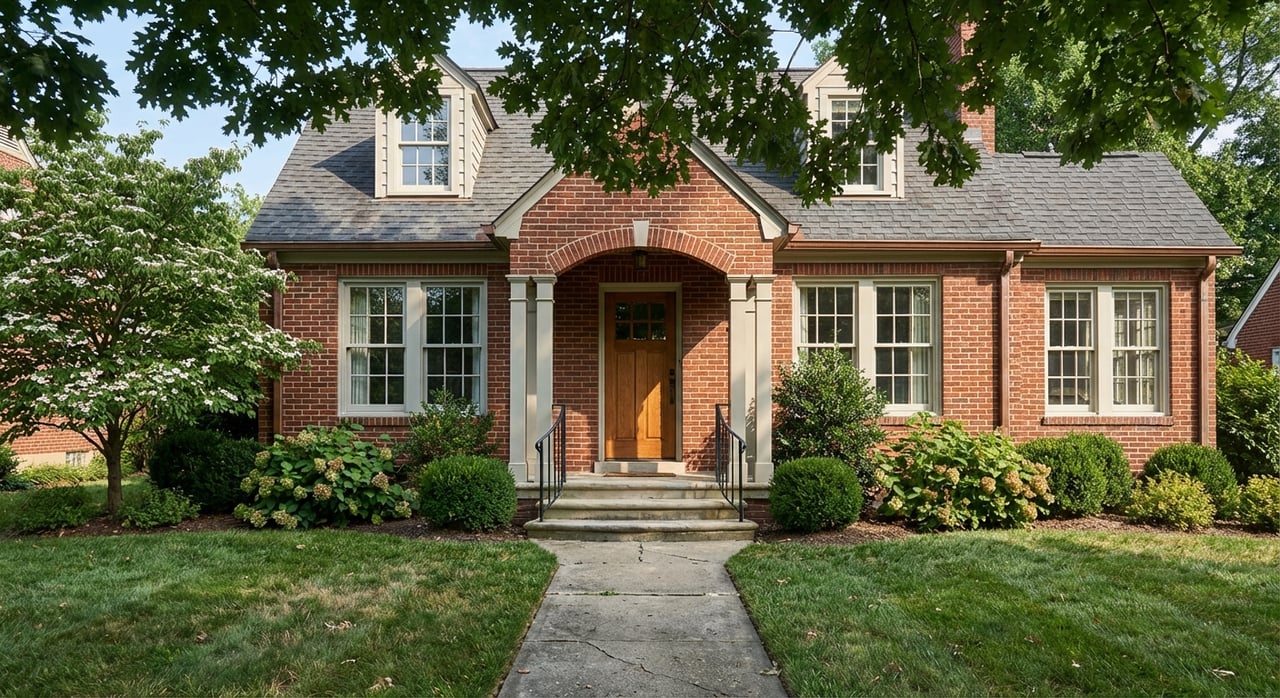
Sequoyah Hills is known for variety. You will see Craftsman bungalows, Colonial and Tudor Revival homes, occasional Mediterranean or Georgian influences, and mid‑century designs. Many properties have been updated over the years, and some lots along the river or bluffs feature custom homes with a focus on views and outdoor living.
Homes here often sit on sloped or wooded sites. That topography adds character and privacy. It can also introduce practical considerations for driveways, drainage, and tree protection. The housing market typically performs at a premium relative to the citywide average, and inventory can run tight in popular streets or near the river. If you want a specific style or lot, planning your search window helps.
Renovation and site considerations
- Older homes may have legacy systems like wiring, plumbing, or insulation that need updating.
- Sloped lots can require extra attention to foundations, retaining walls, and drainage.
- Properties closer to the river should be evaluated for flood elevation and insurance requirements.
- Some streets are narrow, so garage access and guest parking are worth a close look.
- Portions of the area may have historic resources or design guidance. Confirm rules before exterior changes.
Parks and riverfront access
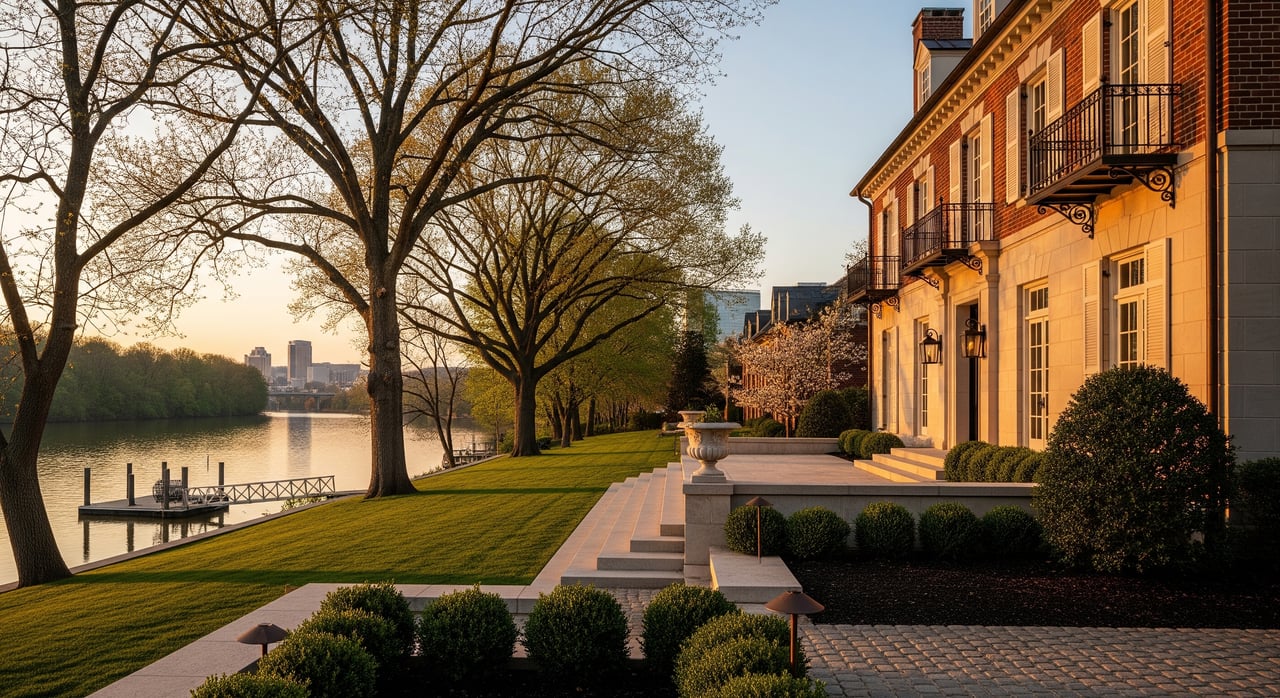
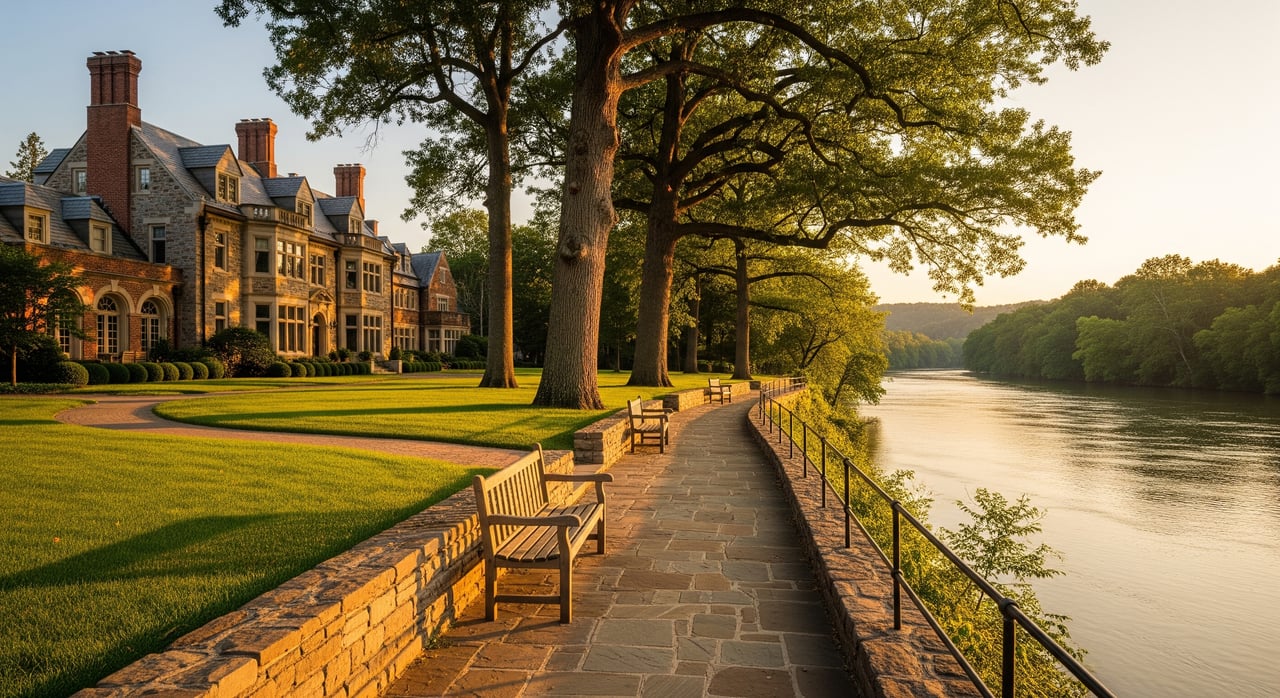
The Tennessee River shapes daily life in Sequoyah Hills. You can walk or bike along riverfront greenways, run shaded loops, and catch scenic overlooks of the water and bluffs. Neighborhood parks provide play areas, open fields, picnic spots, and places to unwind after work. You will likely find neighbors out early for a jog and back again at sunset with strollers and dogs.
If you enjoy the water, watch for public access points where boaters and paddlers launch. Kayaking, rowing, and casual cruising are part of the culture when weather is mild. On sunny weekends, parkheads and greenway parking can fill quickly, so plan your timing.
Before you go
- Check the latest park maps and posted signage for current amenities and hours.
- Be mindful of peak times. Early mornings and weekdays are usually less crowded.
- Confirm boat launch rules and any permit requirements with the appropriate local agency.
- For river‑adjacent homebuyers, review FEMA and city flood maps for parcel‑specific guidance.
Daily conveniences and commute
Sequoyah Hills is primarily residential, which is part of its appeal. You can enjoy quiet streets and green space, with most daily errands a short drive away. Nearby corridors offer grocery stores, pharmacies, coffee shops, casual dining, and service providers. Many residents find it easy to combine a quick errand with a greenway walk.
Commuting to downtown Knoxville or the UT campus is straightforward. Surface streets and nearby arterials provide multiple routes, and drive times vary with traffic and event schedules. If you prefer to leave the car at home, Knoxville Area Transit operates bus routes along major corridors near the neighborhood. Cyclists often use greenway connectors to extend rides into the broader system.
Getting around
- Plan commute routes based on time of day and event schedules at UT or downtown.
- Check Knoxville Area Transit for the most current route maps and frequency.
- Use the greenway network for recreation or short connections when weather allows.
- Expect most errands to be a short drive or rideshare, with easy street parking in many spots.
Schools and community services
Public school assignments depend on your exact address. Always verify current zoning and enrollment processes with Knox County Schools. Performance, programs, and extracurricular options can change each year, so it is smart to review official report cards and talk directly with school administrators if you have specific needs.
You will also find a range of private schools and preschools within a short drive. Families often combine neighborhood parks and city recreation programs for after‑school activities. Public libraries, community centers, and houses of worship are close by and help anchor daily life.
What to check
- School boundary lookup for your address and grade levels.
- Program offerings such as STEM, arts, or world languages.
- After‑school care options, youth sports, and seasonal camps.
- Commute patterns from school to home and to your workplace.
Community life and events
Sequoyah Hills has a strong social fabric built around its parks and riverfront. You will notice neighbors greeting each other on the greenway, kids biking between yards, and informal meetups after school or work. Many residents pitch in on volunteer projects such as park cleanups or tree plantings during the year.
A neighborhood association or similar civic group provides a forum for updates, safety conversations, and community priorities. Seasonal activities, fun runs, and outdoor gatherings are common, especially when the weather turns warm. If you are new to the area, attending a community meeting is an easy way to get plugged in quickly.
What buyers and sellers should know
If you are considering a river‑adjacent property, make flood due diligence part of your early homework. Every parcel is different. Review FEMA and city floodplain resources for your specific address and speak with an insurance professional about coverage and cost. On sloped lots, include a structural inspection and pay attention to grading and retaining walls.
For older homes, budget for updates to essential systems where needed. If you plan exterior changes, verify whether any historic or design guidelines apply. Short‑term rental and accessory dwelling rules can vary across the city. Check current ordinances to avoid surprises.
Top tips
- Order a thorough home inspection that includes drainage and foundation review.
- Verify floodplain status and insurance needs for the exact parcel, not just the street.
- Confirm any design review or historic guidelines before exterior work.
- Review on‑street and garage parking patterns, especially for entertaining.
- If selling, consider pre‑listing inspections and cosmetic updates to speed market readiness.
Work with a local advisor
Buying or selling in Sequoyah Hills benefits from neighborhood‑level insight, clear communication, and polished marketing. You get all three with a responsive, high‑touch approach that coordinates vendors, prepares homes to shine, and navigates inspections with calm, solution‑focused guidance. If you are exploring a move, reach out to schedule a strategy call with Tyler Owens. Let’s connect and map your next steps.
FAQs
Is Sequoyah Hills walkable for daily errands?
- Mostly for recreation and neighborhood strolls, with most errands a short drive or bike ride to nearby corridors.
Are there public river access points in Sequoyah Hills?
- Yes, the neighborhood includes public riverfront parks and greenways; confirm current access points and amenities with the City of Knoxville Parks and Recreation.
How close is Sequoyah Hills to downtown Knoxville and UT?
- It is a short drive depending on traffic and events, with multiple surface‑street routes that residents use for daily commutes.
What home styles are common in Sequoyah Hills?
- You will find Craftsman bungalows, Colonial and Tudor Revival, some Mediterranean and Georgian influences, mid‑century homes, and later custom or infill builds.
Do I need flood insurance for a home near the river?
- It depends on your exact address and elevation; review FEMA and city flood maps and consult an insurance professional.
Are there rules for renovating older homes in Sequoyah Hills?
- Portions of the area may have historic resources or design guidelines; verify with the city’s planning or historic zoning staff before starting work.
What is the housing market like in Sequoyah Hills?
- It is typically competitive with premium pricing relative to the city average and periods of low inventory; ask for current MLS data to plan your timing.