Trying to decide between Sequoyah Hills and Northshore Town Center? Both are West Knoxville favorites, but they feel very different day to day. You want a neighborhood that fits your lifestyle, budget, and commute without surprises. In this guide, you’ll compare housing, walkability, access, schools, ownership costs, and resale outlook so you can move forward with confidence. Let’s dive in.
Buyer fit at a glance
- Choose Sequoyah Hills if you value historic character, mature trees, and quick access to downtown and the Tennessee River. You’re open to caring for an older home and want a classic neighborhood feel.
- Choose Northshore Town Center if you prefer newer construction, more price points, and walkable access to everyday dining and retail within a compact suburban center.
Housing and inventory
Sequoyah Hills
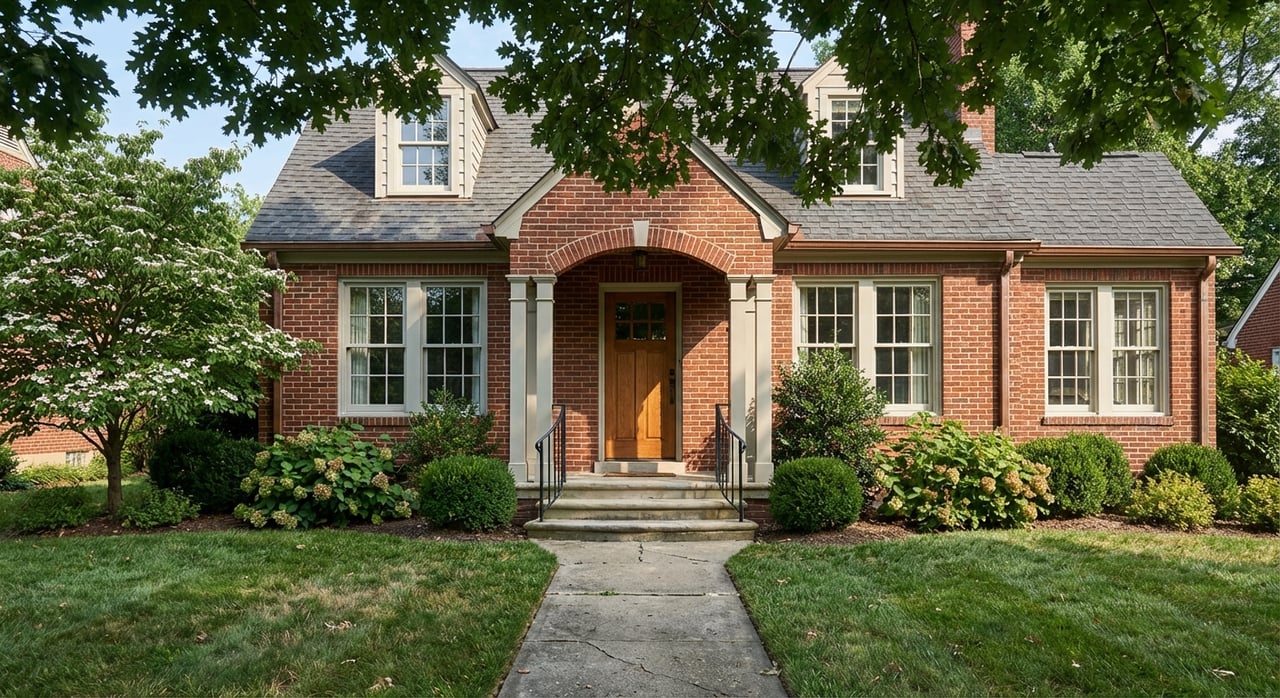
You’ll find a mix of large historic homes, renovated classics, and some smaller bungalows or cottages. Most properties are single-family on larger, irregular lots. Inventory can be scarce, which supports price resilience when demand is high. With older homes, plan for renovation or maintenance as part of your total cost.
Northshore Town Center
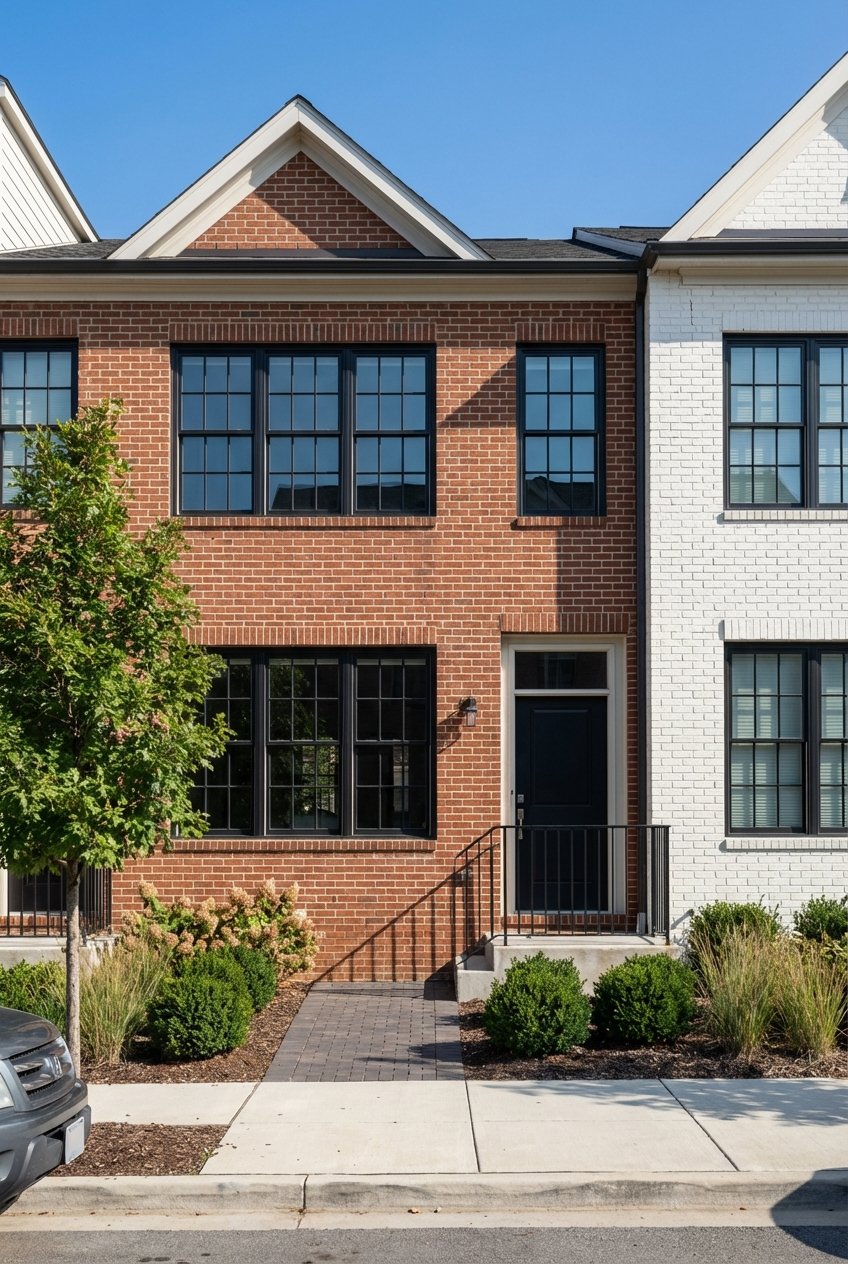
Expect a wider range of product types and ages, including condos, apartments, townhomes, and newer single-family homes. Inventory tends to be more frequent, and you’ll see more modern floor plans and low-maintenance options. Entry and mid-range choices are often easier to find here than in tightly held historic pockets. Pricing can shift with development cycles and the pace of new listings.
Walkability and amenities
Sequoyah Hills
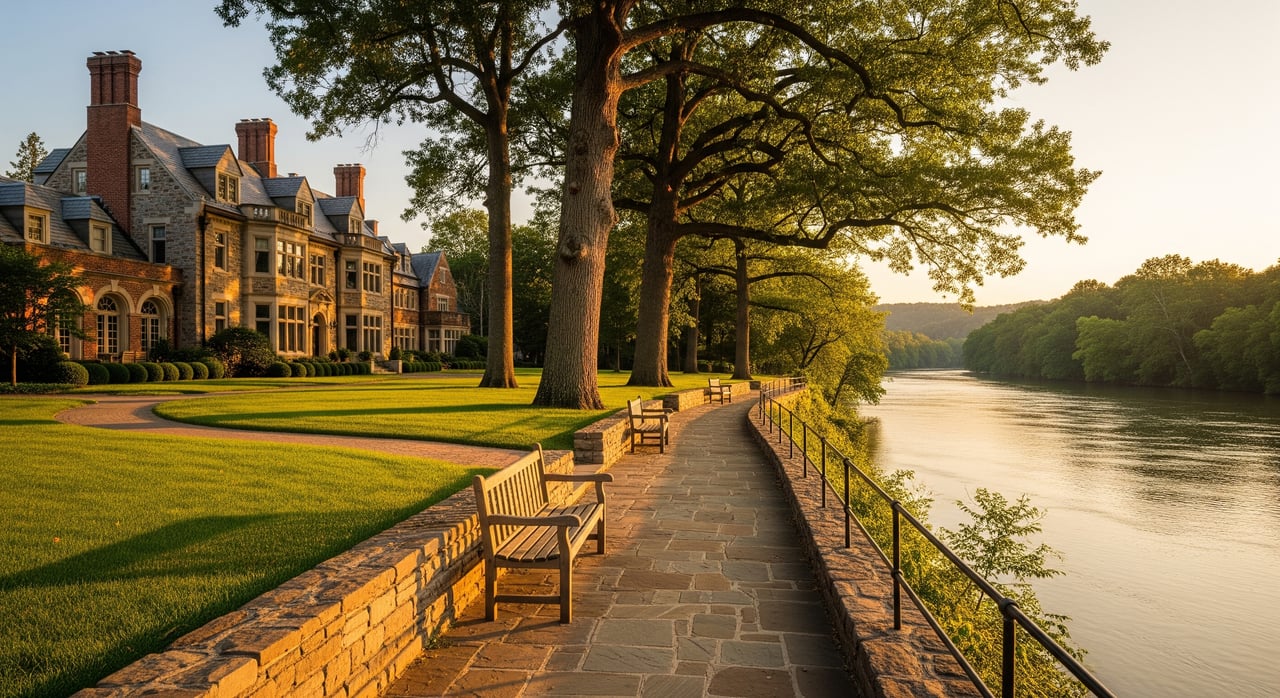
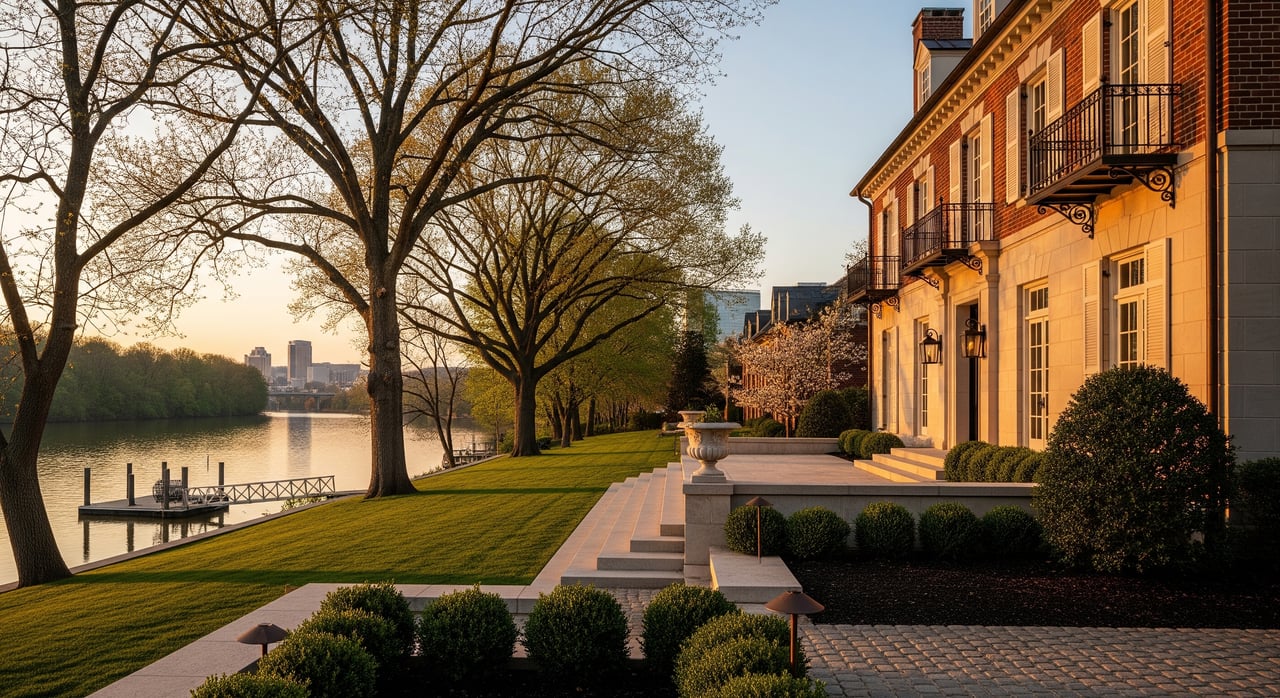
Walkability is pleasant for daily strolls, riverfront paths, and pocket parks. You can access select neighborhood cafes or drive a short distance for full-service grocery and big-box needs. The vibe is peaceful and residential, with quick reach to downtown’s restaurants, museums, and cultural venues.
Northshore Town Center
Walkability is highest within the town-center core, where you can step out to retail, cafes, and services. Surrounding subdivisions are more suburban and may require a short drive unless you live near the core. Day-to-day errands and casual dining are designed to be convenient and close.
Commute and access
Sequoyah Hills
If you work downtown or at the University of Tennessee, this area offers one of the shortest, simplest commutes in West Knoxville. It also connects quickly to major arterials like Kingston Pike and the I-40/I-75 corridors. Scenic bike options and riverfront paths add to the appeal for active transportation.
Northshore Town Center
You’ll have a typical suburban commute to downtown and UT, often in the 10 to 25 minute range depending on traffic and exact starting point. The Northshore corridor also provides easy access to larger shopping districts and West Knoxville arterials. Sidewalks and internal paths support local walks, while longer bike commutes tend to be less scenic than riverfront routes.
Schools and family factors
Public school zoning varies by exact address across West Knoxville. Always confirm assignments using the official Knox County Schools zoning look-up before you rely on assumptions. Both areas offer access to private and parochial options across West Knoxville, with commute times that depend on the specific campus.
Families often choose Sequoyah Hills for riverfront outdoor space and established neighborhood parks, and choose Northshore Town Center for modern layouts, community amenities, and proximity to retail and services. Lot sizes in Sequoyah Hills can be larger, but they vary street by street.
Costs and ownership
Pricing and value drivers
- Sequoyah Hills: You may pay a premium for location, historic character, and larger lots near the river and downtown. Renovations and ongoing upkeep for older homes can be significant, so build that into your budget.
- Northshore Town Center: Newer construction can reduce near-term maintenance, and product variety gives you more price tiers. For condos and townhomes, weigh monthly association fees as part of your true monthly cost.
Taxes, insurance, and HOAs
Property tax bills come from Knox County or the City of Knoxville depending on municipal boundaries. Check recent tax records on comparable homes through county sources. If you’re considering river-adjacent lots, verify flood zones and any flood insurance requirements. In Sequoyah Hills, many single-family homes are not in formal HOAs, though there is a civic association. In Northshore Town Center, many condos, townhomes, and planned communities include HOA or condo associations that cover exterior maintenance and common areas. Always review the full HOA documents, budgets, and reserve studies.
Safety and peace of mind
Both areas are broadly desirable and include many low-crime residential blocks. As with most retail centers, commercial parking lots can see property-related incidents. For a specific address or complex, review official crime maps and speak with neighbors to understand street-level patterns. Safety can differ within small areas, so verify for the properties you are considering.
Resale and investment
Sequoyah Hills
Long-term desirability, proximity to downtown and UT, and limited new supply support strong resale fundamentals. The main tradeoff is higher maintenance and fewer options when you want to upsize or downsize within the same neighborhood. Scarcity can also mean more competition when listings do appear.
Northshore Town Center
Newer product and walkable retail can attract a broad buyer pool, including downsizers and investors. Appreciation can be moderated by the pace of new construction and changes in retail tenancy within the center. HOA rules and fees may influence both rental potential and resale timelines, so evaluate them early.
When to choose Sequoyah Hills
- You want a short commute to downtown or UT.
- You love historic architecture and mature trees.
- You prefer a classic neighborhood setting near riverfront parks.
- You’re comfortable budgeting for updates or ongoing maintenance.
- You value long-term desirability supported by limited supply.
When to choose Northshore Town Center
- You want newer construction and modern floor plans.
- You value walking to coffee, dining, and services within a town center.
- You’re seeking more price points and product types, including condos and townhomes.
- You prefer lower-maintenance living with HOA-covered items.
- You want easy access to West Knoxville retail corridors.
How to decide next
Use these practical steps to compare specific homes side by side:
- Pull recent sales and inventory trends for both areas using KAAR or local MLS reports for a 5 to 10 year lookback.
- Check Walk Score, sidewalks, and local amenities for the exact address you like, not just the neighborhood name.
- Confirm school zoning using the official Knox County Schools look-up for your property’s address.
- Verify flood zones and insurance needs with FEMA maps and county GIS, especially for river-adjacent homes.
- Price your total monthly cost. Include property taxes, insurance, utilities, and any HOA or condo fees.
- Review HOA documents early for Northshore Town Center condos and townhomes. Look at budgets, reserves, and rules that affect pets, rentals, and exterior changes.
- Map your daily routes. Test commute times during your typical peak hours and note access to I-40/I-75, Kingston Pike, and Northshore Drive.
- Check official crime maps around your specific block or complex. Compare day, evening, and weekend patterns.
Ready to see how these differences play out in person? From curated tours to comps and HOA reviews, you can get a clear plan and move fast with a local expert by your side. If you’re weighing Sequoyah Hills against Northshore Town Center, reach out to Tyler Owens for neighborhood-level guidance and a tailored search.
FAQs
Which area is better for a short commute to downtown Knoxville or UT?
- Sequoyah Hills is closer and often the fastest to downtown and UT, while Northshore Town Center offers a typical suburban commute that varies with traffic and your exact starting point.
How walkable are these two areas for daily errands?
- Northshore Town Center’s core is walkable to dining and services, while Sequoyah Hills is great for scenic walks and parks but may require short drives for full grocery and big-box needs.
Where might my home hold value better over time?
- Sequoyah Hills benefits from scarcity, location, and historic appeal, while Northshore Town Center’s value depends on construction quality, inventory levels, and the health of the retail core.
Are flood risks a concern in Sequoyah Hills?
- River-adjacent or low-lying lots can fall in special flood hazard zones, so verify the exact address on FEMA maps and review any lender-required flood insurance.
Will I have an HOA in either neighborhood?
- Many single-family homes in Sequoyah Hills are not in formal HOAs, while condos, townhomes, and planned communities in Northshore Town Center commonly have associations with monthly fees.
How do I confirm public school zoning for a specific home?
- Use the official Knox County Schools zoning tool for the exact address, since assignments can vary block by block across West Knoxville.