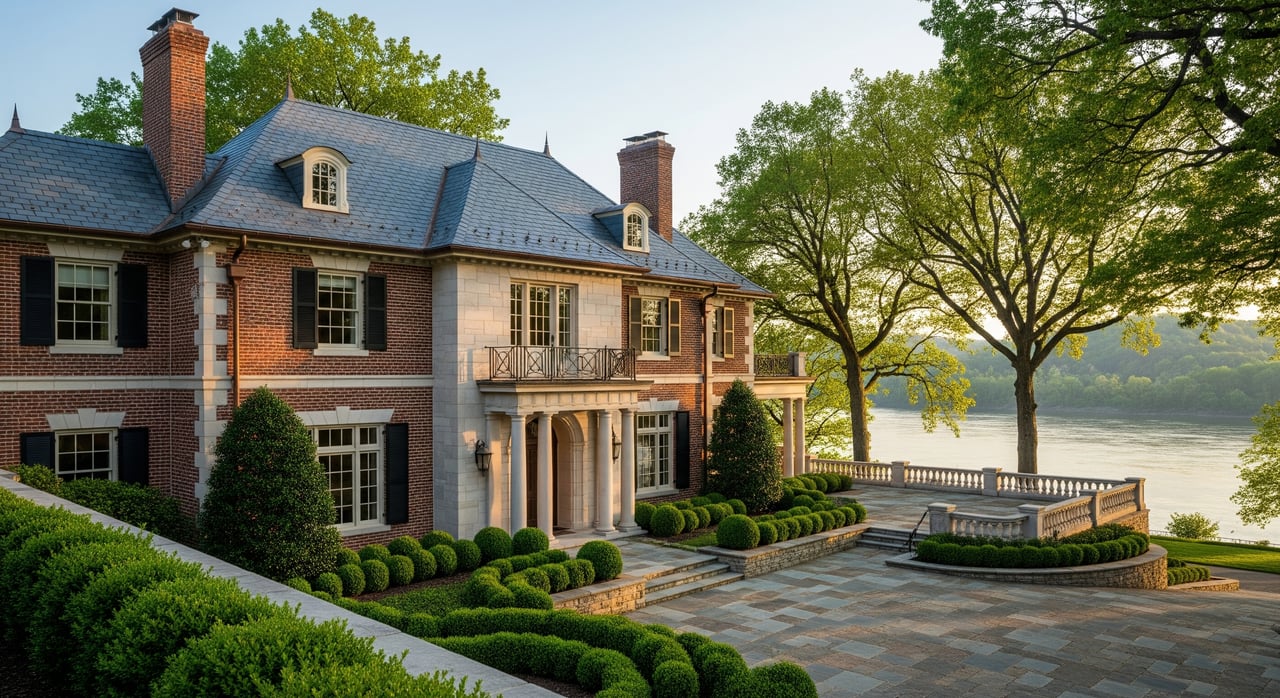
What if the number you check first when comparing homes is also the one most likely to lead you astray? Price per square foot feels simple and fair, especially when you are scanning listings and trying to make quick sense of Sequoyah Hills. You want a clear way to compare options and price well. In this guide, you will learn why price per square foot is only a starting point, how this metric breaks down in Sequoyah Hills, and what to use instead for confident decisions. Let’s dive in.
What price per square foot really means
Price per square foot is the sale price divided by the home’s gross finished living area. It is popular because it is quick to compute and easy to compare across listings. You will see it on many consumer sites and neighborhood reports.
Here is the catch. This single number ignores a long list of value drivers. Lot size and usability, river frontage, views, layout, parking, historic character, and renovation quality all live outside the square footage. Appraisers and experienced agents treat price per square foot as one input, not a pricing strategy.
Why PPSF misleads in Sequoyah Hills
Lot size and river impact
In Sequoyah Hills, lot size varies widely, and the Tennessee River is a major value driver. A smaller home near the river that is fully renovated can show a very high price per square foot. A larger interior home on a deeper lot can sell for more total dollars but show a lower price per square foot. The PPSF flips the story because it does not capture land, privacy, or view.
Micro market differences matter
Sequoyah Hills is not a typical subdivision. It mixes older homes, architectural variety, large and irregular parcels, and premium river streets. Comparing its price per square foot to a suburban Knox County neighborhood will bend the data. Even inside Sequoyah Hills, riverfront, river-view, and interior streets behave like separate micro markets.
Square footage is not always precise
Not every listing counts finished area the same way. Basements, enclosed porches, attic expansions, and sunrooms can be measured or reported differently. Two nearby sales may report similar finished square footage but live very differently for day-to-day use. If you compare price per square foot without checking what is above grade versus below grade, you can draw the wrong conclusion.
Renovation level is invisible to PPSF
Price per square foot does not know if a home has a meticulous kitchen and systems overhaul or a long list of deferred maintenance. In Sequoyah Hills, many homes are historic or older and may have extensive updates. When a property blends character with modern upgrades, buyers often pay a premium that a simple PPSF average will miss.
Small samples can skew the number
Sequoyah Hills has fewer annual sales than high-volume subdivisions. A handful of high-end riverfront transactions in one season can spike the neighborhood’s reported PPSF. If you price an interior home off that spike, you risk overshooting the market. The opposite can happen if only unrenovated or atypical homes sell in a short window.
Local features that commonly skew PPSF
Use this short list when you look at comps in Sequoyah Hills:
- Lot size and topography. Larger or irregular parcels, mature trees, and steep slopes near the river affect usability and value beyond the house itself.
- River adjacency and views. True river frontage, private access, and direct views carry a premium that square footage will not capture.
- Historic character and architecture. Original homes with notable design or careful restoration can command pricing that outperforms basic PPSF comparisons.
- Renovations and permits. High-quality remodels and documented permits improve marketability. Unpermitted additions can hurt it.
- Finished basements. Treat above-grade living area separately and account for basement finish, ceiling height, and egress on a different line.
- Parking and garage space. Off-street parking, detached garages, or carriage houses can add meaningful value in a near-downtown setting.
- Proximity to downtown, UT, and parks. Shorter commutes and easy access to parks can support stronger pricing.
- Flood risk and elevation. Properties near the river may sit in a mapped flood zone. Flood insurance and elevation can influence demand. You can check maps through the FEMA Flood Map Service Center.
How to use PPSF the right way
Treat price per square foot as a quick indicator, then build a complete picture.
Start with the right comps
- Keep it close. Favor comps on the same block or immediate micro area, and match riverfront with riverfront, river-view with river-view, and interior with interior.
- Match lot size. If lots differ materially, call it out and adjust or separate the sets.
- Align age and condition. Compare similar vintage or renovation level, especially for historic homes.
- Separate living areas. Compare above-grade living area first, then handle finished basements and enclosed spaces as add-ons.
- Use enough sales. Aim for 3 to 5 recent comparables. If volume is low, widen the time frame and describe market movement during that period.
Make thoughtful adjustments
When numbers differ, document why. Typical adjustments in Sequoyah Hills include:
- Lot size and usable yard
- River frontage or view quality
- Condition and scope of renovations
- Bedroom and bath count
- Garage and outbuildings
- Basement finish, ceiling height, and natural light
- Permitted additions versus unpermitted spaces
- Functional layout and flow
- Flood exposure and expected insurance cost
Handle small samples and outliers
- Separate data sets. Present PPSF both with and without riverfront sales when analyzing interior comps.
- Use medians and ranges. Medians and interquartile ranges resist outliers better than simple averages.
- Explain the story. If a single notable sale is pulling numbers up or down, call it out and show an adjusted view.
Seller checklist for pricing in Sequoyah Hills
Use this quick list to pressure test your list price:
- Group comps by micro market. Riverfront, river-view, and interior should not be mixed without clear adjustments.
- Compare above grade first. Show an apples-to-apples PPSF on above-grade area, then layer in basement or bonus spaces.
- Document lot and view differences. Note acreage, frontage, privacy, and view corridors.
- Show condition evidence. Call out recent permits, system upgrades, and remodel scope.
- Present multiple metrics. Include PPSF as one line item, but also show sold price per lot acre or price per bedroom where helpful.
- Prepare for flood questions. If applicable, pull flood maps and note elevation or insurance considerations.
Buyer checklist for comparing homes
When you are weighing options inside and outside Sequoyah Hills, ask:
- What is the total cost, not just PPSF? Include insurance, potential flood premiums, and near-term renovation budgets.
- Is the lot usable for your plans? Consider slope, tree cover, and outdoor living potential.
- How is the square footage counted? Separate above-grade from basement and check whether enclosed porches are included.
- What is the renovation story? Estimate the value of upgrades and the cost to reach your target condition.
- Are the comps truly comparable? Match location, lot type, and renovation level before quoting a PPSF.
Two real-world scenarios
- The renovated bungalow near the river. It is smaller but beautifully updated and a short stroll to the water. Its PPSF looks very high, but the total price is anchored by a modest lot. If you only chase the PPSF, you might assume it is overpriced. In reality, buyers are paying for condition and micro location.
- The larger interior home with a deep backyard. It offers more space, a two-car garage, and strong functional layout. Its PPSF looks low compared to recent near-river sales. That does not make it a bargain or a problem. It reflects a different land profile and demand pattern.
What to do next
If you are getting ready to list, build a CMA that separates riverfront, river-view, and interior sales. Present PPSF alongside other metrics and write down your adjustments. If you are buying, compare total cost and usability rather than chasing a neighborhood PPSF headline. For homes near the river, pull flood maps and get an insurance quote early. For measurements and permits, verify room counts and finished areas before relying on square-foot math.
Ready for a micro market pricing plan that reflects how Sequoyah Hills actually sells? Reach out to Tyler Owens for a full CMA, on-the-ground insights, and a clear strategy.
FAQs
What is price per square foot in home buying?
- It is the sale price divided by finished living area. Use it as a quick indicator, then evaluate lot, location, condition, and layout before making decisions.
Why is PPSF unreliable in Sequoyah Hills?
- The neighborhood mixes riverfront, river-view, and interior streets with varied lot sizes and historic homes. These factors shift value in ways PPSF does not capture.
How should I compare homes with finished basements?
- Compare above-grade living area first for a fair PPSF, then treat basement finish as an add-on based on ceiling height, light, and usability.
Should sellers price to match a neighborhood average PPSF?
- No. Price to the property’s unique attributes using a full CMA with documented adjustments. Use PPSF only as a quick sanity check.
How much value does river frontage add in Sequoyah Hills?
- It depends on privacy, access, and market timing. Use a separate set of riverfront comps and disclose any flood or insurance considerations.
Where do I check flood zones and elevation for a Sequoyah Hills home?
- Start with the FEMA Flood Map Service Center. For elevation certifications or detailed boundaries, consult recorded plats and a licensed surveyor.