Craving the character of original hardwoods, thick trim, and sunlit porches? If you are considering a historic home in Sequoyah Hills, you likely value details that newer builds rarely deliver. You also know older homes require a different kind of due diligence. In this guide, you will learn what to look for, what to verify with the city and vendors, and how to plan updates that keep the charm while improving comfort and safety. Let’s dive in.
Sequoyah Hills context
Sequoyah Hills grew during the early to mid 20th century. Before touring, confirm each home’s construction date, whether it sits in a local historic overlay, and any design review that may apply. These details can affect what you are permitted to change on the exterior and which incentives may be available.
Large lots, mature trees, and a defined streetscape contribute to the neighborhood’s appeal. They also add maintenance needs, especially around drainage and tree care. Expect older utilities in some homes, such as knob-and-tube wiring, cast-iron sewer laterals, or original service entrances. Verify the age and capacity of electrical, HVAC, and plumbing systems during your evaluation.
Recognize common styles
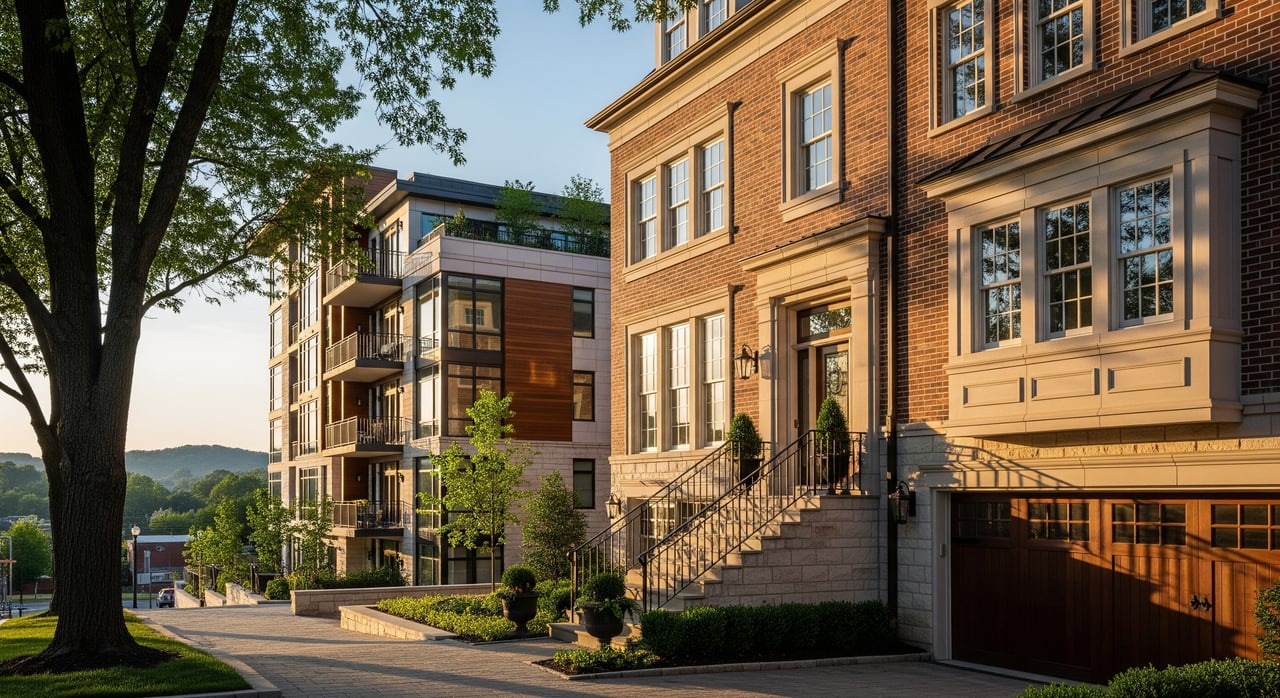
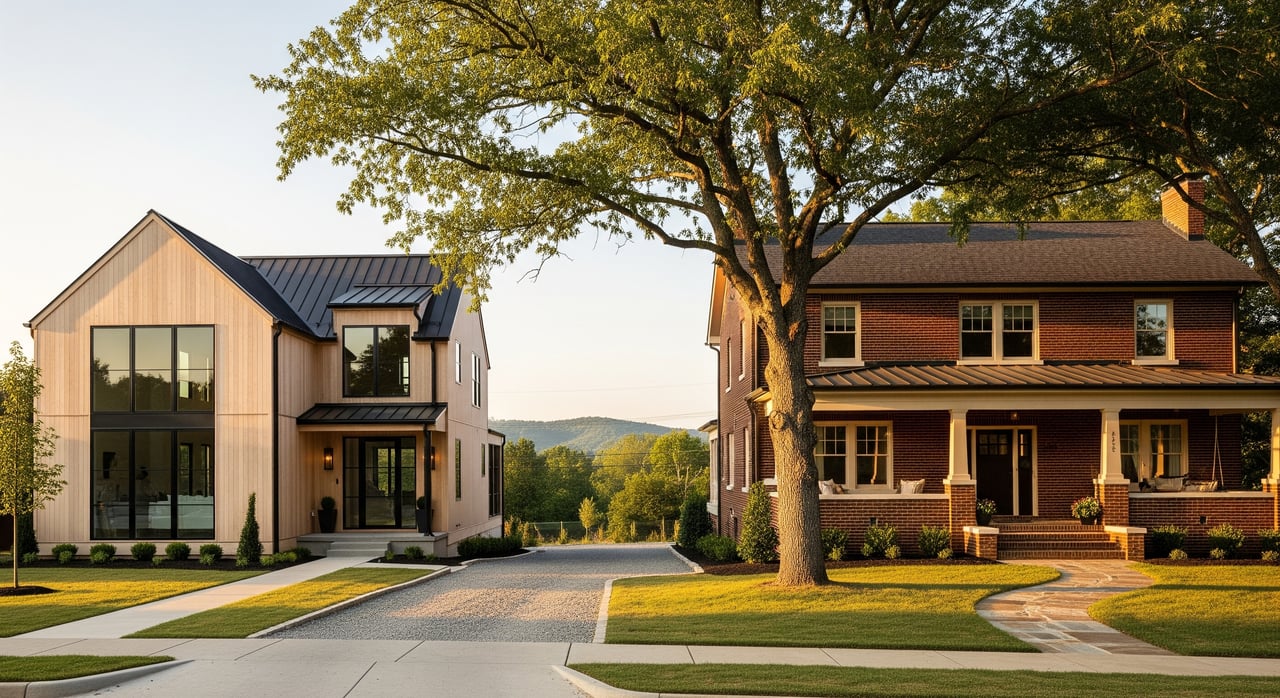
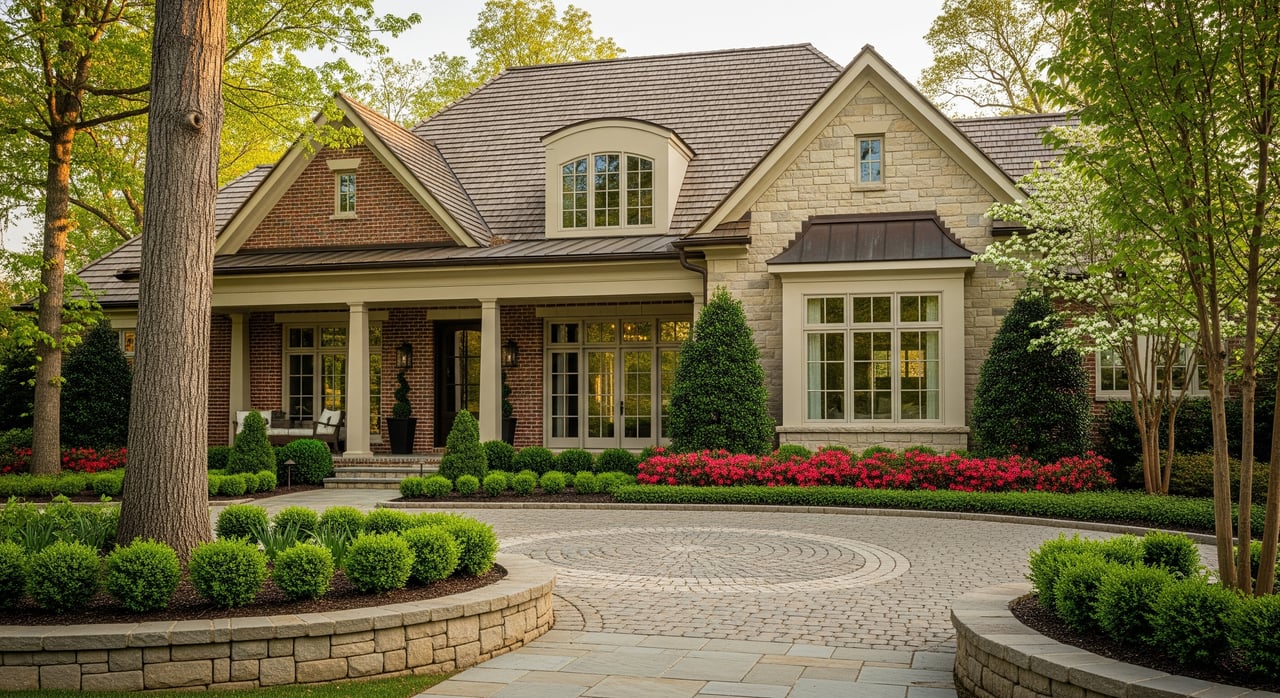
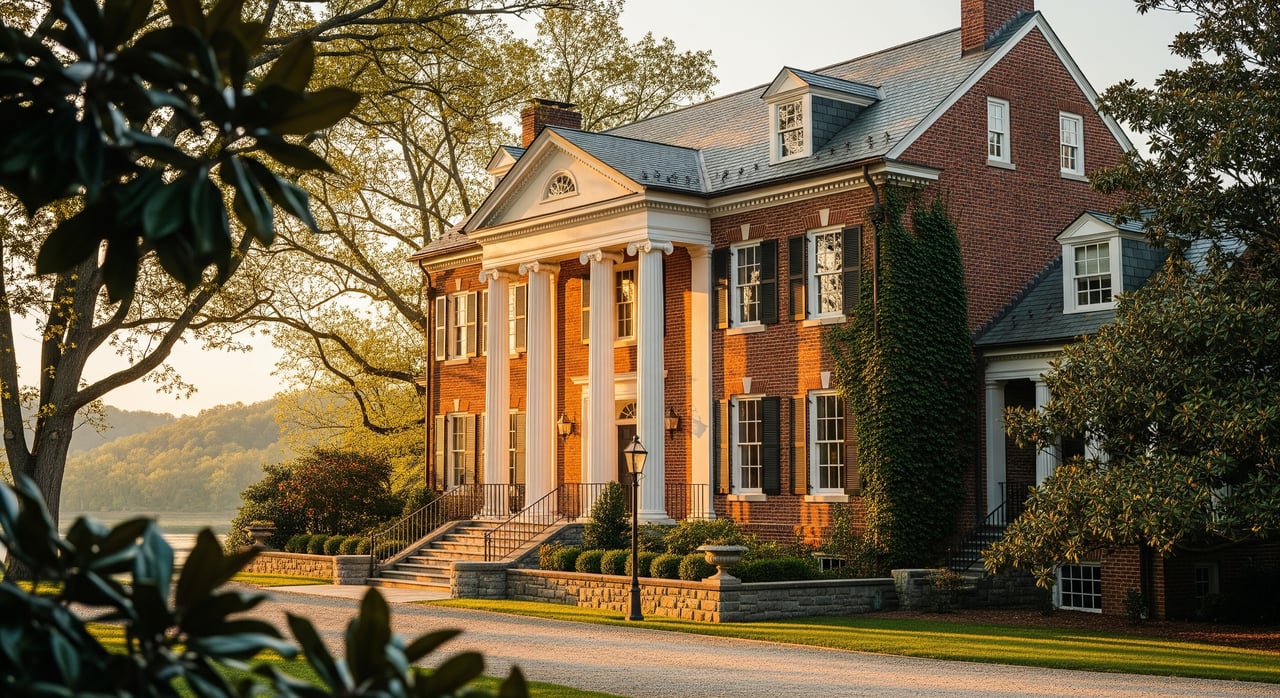
You will see a mix of early 20th-century American styles. Typical examples include Tudor Revival, Colonial Revival, Craftsman/Bungalow, Period Revival, and Minimal Traditional. Many properties blend elements from several styles.
Character-defining features to note
- Exterior: masonry or stucco accents, steep roofs, decorative chimneys, original windows and trim, porches and balustrades, original doors and hardware.
- Interior: plaster walls and moldings, hardwood floors, built-ins, original fireplaces and mantels, lathe or plaster ceilings, detailed stairs.
- Systems and hidden elements: solid masonry foundations, original roof sheathing, uninsulated walls, and single-pane wood windows.
Inspections that matter
Buying a historic home often requires deeper due diligence than a standard inspection. A preservation-aware approach can save you time and money.
Structure and foundation
Watch for differential settlement and masonry cracks that suggest movement. Old stone or brick foundations may need repointing or underpinning. If you see sagging floors or patched masonry, plan for a structural engineer’s review.
Roof and drainage
Confirm roof age and check flashing around chimneys and dormers. Review gutter and downspout routing and verify that grading moves water away from the house. Water management protects basements and crawlspaces.
Mechanical systems
Document electrical service size and wiring type, HVAC age and capacity, and the plumbing materials in place. Ask about the condition of the sewer lateral. Older systems may need upgrades for safety and comfort.
Moisture and pests
Look for signs of termites or carpenter ants, rising damp, and vegetation or roots near the foundation. Tree roots can disrupt drainage and hardscapes over time.
Hazardous materials
Homes from this era may include lead-based paint and, in some cases, asbestos in insulation, floor tile, or boiler pipe wrap. Have qualified professionals test materials before demolition or renovation work.
Historic elements
Original windows, plaster, and trim are often repairable. Bring in specialists to evaluate salvage and repair options before planning replacements, especially on elevations visible from the street.
Specialist inspections to add
- Preservation-aware home inspector or building consultant
- Structural engineer for settlement or masonry concerns
- Historic preservation architect or consultant for major changes
- Lead paint and asbestos testing by qualified professionals
- Sewer lateral camera inspection and a termite/pest inspection
- HVAC review and a chimney/flue sweep
- Tree risk assessment for large specimen trees
Maintenance realities and budgeting
Older homes can have higher short-term costs than new construction. Common expenses include roofing, masonry repointing, window and trim repairs, and mechanical upgrades. Deferred maintenance can hide bigger issues like chronic damp, so build a contingency into your budget or negotiate seller remediation when possible.
Regulations, permits, insurance
Historic designation basics
Confirm whether the property is individually listed or within a National Register district, and whether a local historic zoning overlay applies. National Register status alone does not restrict private owners. Local ordinances and design review typically govern exterior changes visible from the public way.
Permits and approvals
Exterior changes that are visible from the street, such as additions, roofline changes, new porches, or major window replacements, may require permits and design review. Interior work typically needs standard mechanical, electrical, and plumbing permits. Verify requirements with City of Knoxville planning and codes before you start.
Incentives and taxes
Federal historic rehabilitation credits generally apply to income-producing properties. Some state or local programs or grants may be available, so investigate current options. Renovations can affect assessed value, so check with the Knox County Assessor on how improvements have historically impacted assessments.
Insurance and flood risk
Insuring older homes can be more complex. Compare replacement cost versus actual cash value and ask about coverage for historic materials. Given Sequoyah Hills’ proximity to the Tennessee River, review FEMA flood maps to determine flood zone status. Flood insurance may be required by your lender for certain locations.
Plan updates without losing character
Start by identifying the features you want to preserve, like windows, porches, trim, and fireplaces. Prioritize the building envelope and systems first. Fix water issues and drainage, upgrade electrical and HVAC, then move to cosmetic changes.
Common renovation scenarios
- Windows: Repair and weatherstrip when feasible. If replacement is necessary, match muntin patterns and profiles, especially on street-facing elevations.
- Kitchens and baths: Modernize for function, but keep changes as reversible as possible. Protect adjacent original trim and spaces.
- Insulation and energy: Start with attics and basements. If you have solid masonry walls, use a preservation-aware approach to interior insulation and vapor control.
- Accessibility and code: Integrate safety and capacity upgrades with a light touch to original finishes.
Build the right vendor team
A strong team makes all the difference with historic homes.
- Real estate agent experienced with historic negotiations and local permitting
- Preservation-aware home inspector or building consultant
- Structural engineer with historic masonry and wood experience
- Preservation architect or an architect with historic renovation experience
- General contractor skilled in historic rehab
- Specialty trades: window and trim restorers, masons for repointing, plasterers, retrofit-savvy HVAC pros, licensed electricians and plumbers, and certified environmental abatement contractors
- Landscape and tree care pros familiar with mature trees
Vetting checklist
- Ask for past historic project examples and before-and-after photos
- Verify licenses, insurance, and proper certifications for lead and asbestos work
- Request written scopes that separate repair from replacement and include allowances for unknowns
Buyer due diligence checklist
- Confirm historic status and any local preservation overlay with City of Knoxville planning
- Order a preservation-aware home inspection and needed specialists
- Get written estimates for priority repairs from contractors with historic experience
- Request seller disclosures for system replacement dates, known defects, past structural repairs, and recorded easements
- Review flood maps and obtain a flood elevation certificate if available
- Get insurance quotes early and confirm coverage for historic materials and any flood risk
- Clarify permit and review needs for planned alterations with the local office
Smart questions to ask sellers
- Which features are original and which are later additions?
- Are there records of past repairs or restorations, like drawings or invoices?
- When were the roof, HVAC, electrical service, plumbing, and sewer lateral replaced or serviced?
- Has there been notable moisture intrusion, foundation work, or pest remediation?
- Are there documents or restrictions tied to any historic designation?
Next steps in Sequoyah Hills
Buying a historic home is both an emotional and practical decision. When you pair a clear inspection plan with a preservation-aware team, you protect the character you love and avoid costly surprises. If you want a guided path through inspections, vendor selection, and approvals in Sequoyah Hills, connect with a local expert who coordinates it all. Reach out to Tyler Owens to map your next steps.
FAQs
What makes a home in Sequoyah Hills “historic”?
- A combination of age, architectural style, and preserved character; confirm designation and any local overlay with City of Knoxville planning.
Do I need approval to change windows on a historic home?
- If the home sits in a local historic overlay, visible exterior changes may require review; verify requirements before planning replacements.
Are federal tax credits available for my primary residence?
- Federal historic rehabilitation credits usually apply to income-producing properties; check for any current state or local homeowner programs.
How should I budget for a historic home purchase?
- Include a contingency for roof, masonry, window repairs, and mechanical updates; get written estimates from historic-experienced contractors.
Is flood insurance a concern in Sequoyah Hills?
- Proximity to the Tennessee River means you should check FEMA flood maps; lenders may require flood insurance depending on your lot’s status.
Which specialists should I hire before closing?
- A preservation-aware inspector, structural engineer as needed, lead/asbestos testing pros, sewer camera inspection, termite inspection, HVAC check, and tree assessment are common.