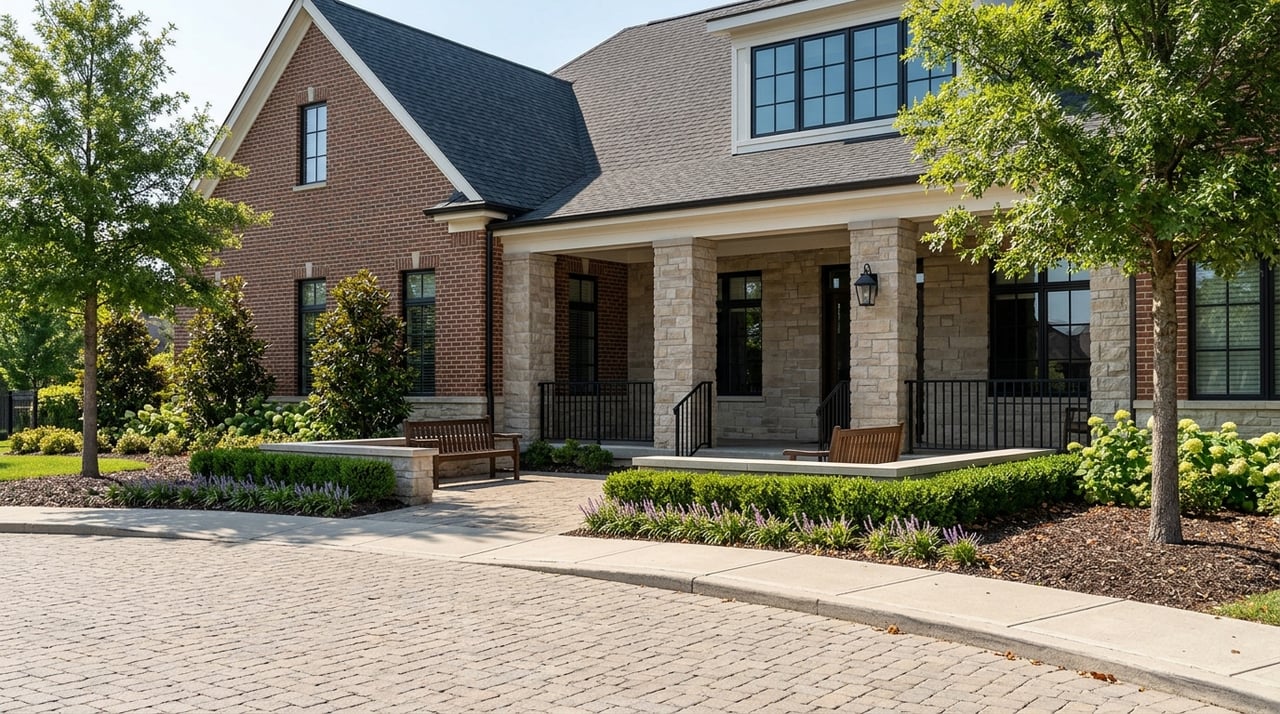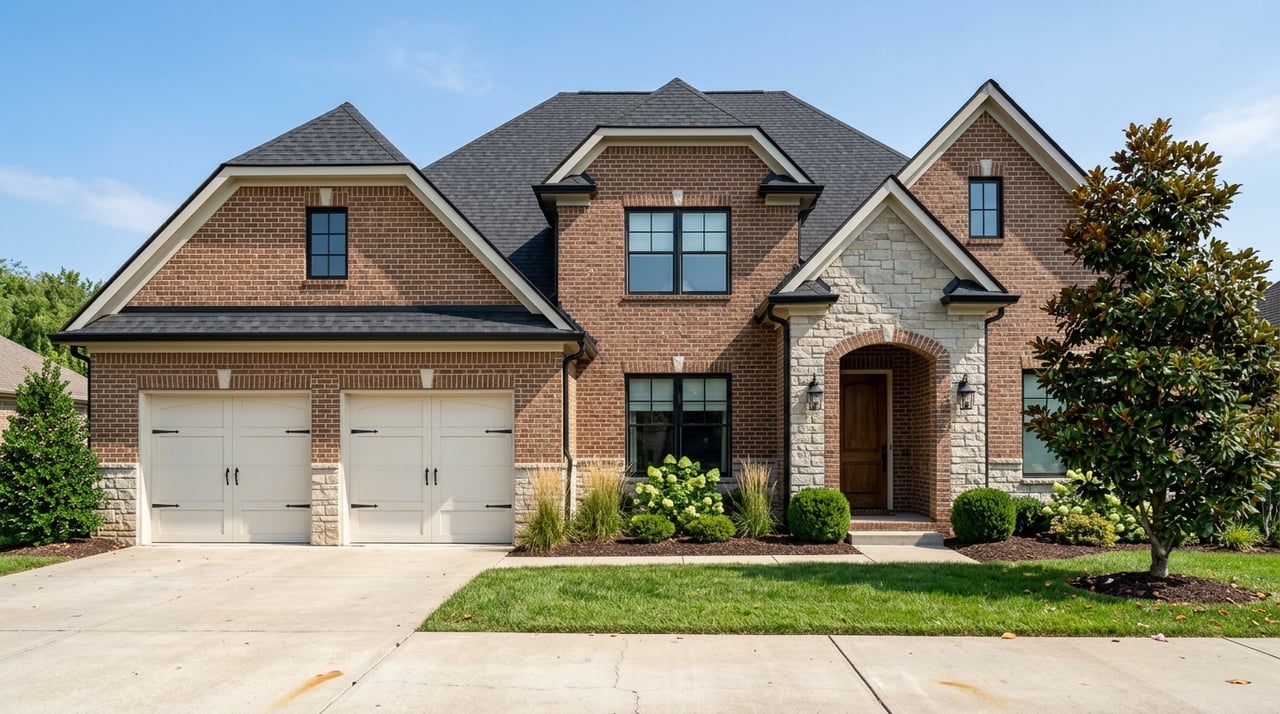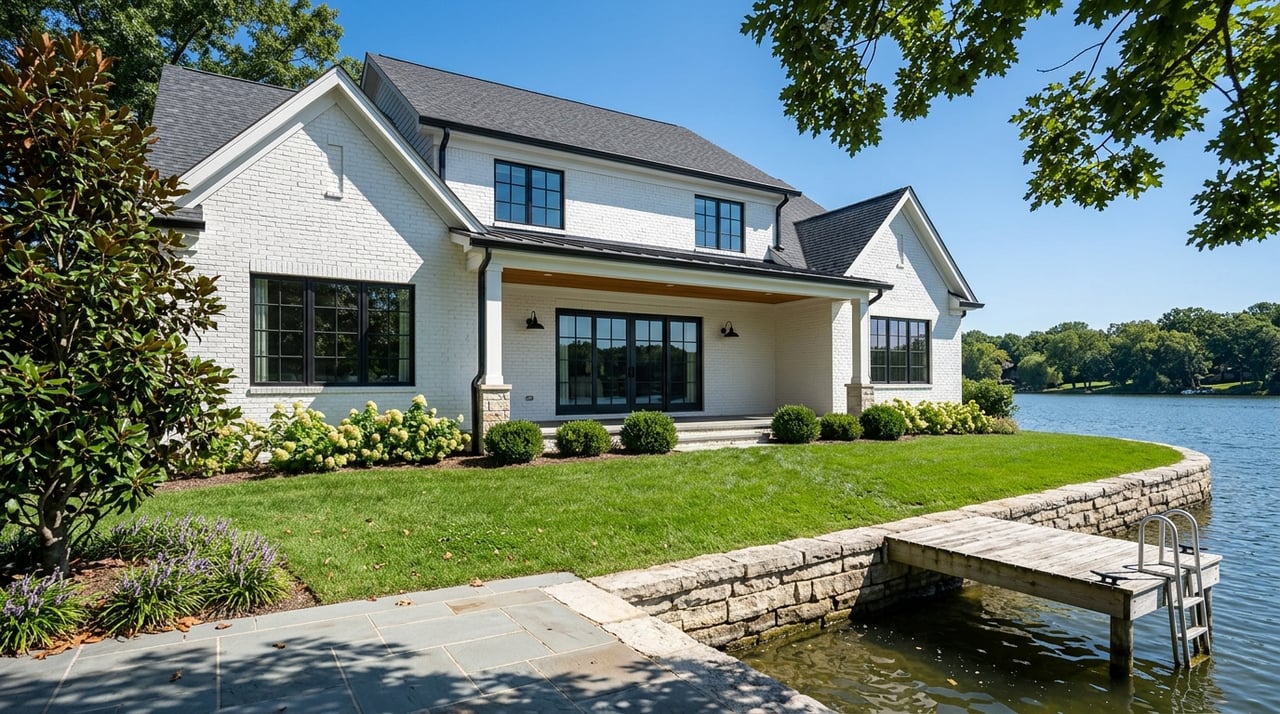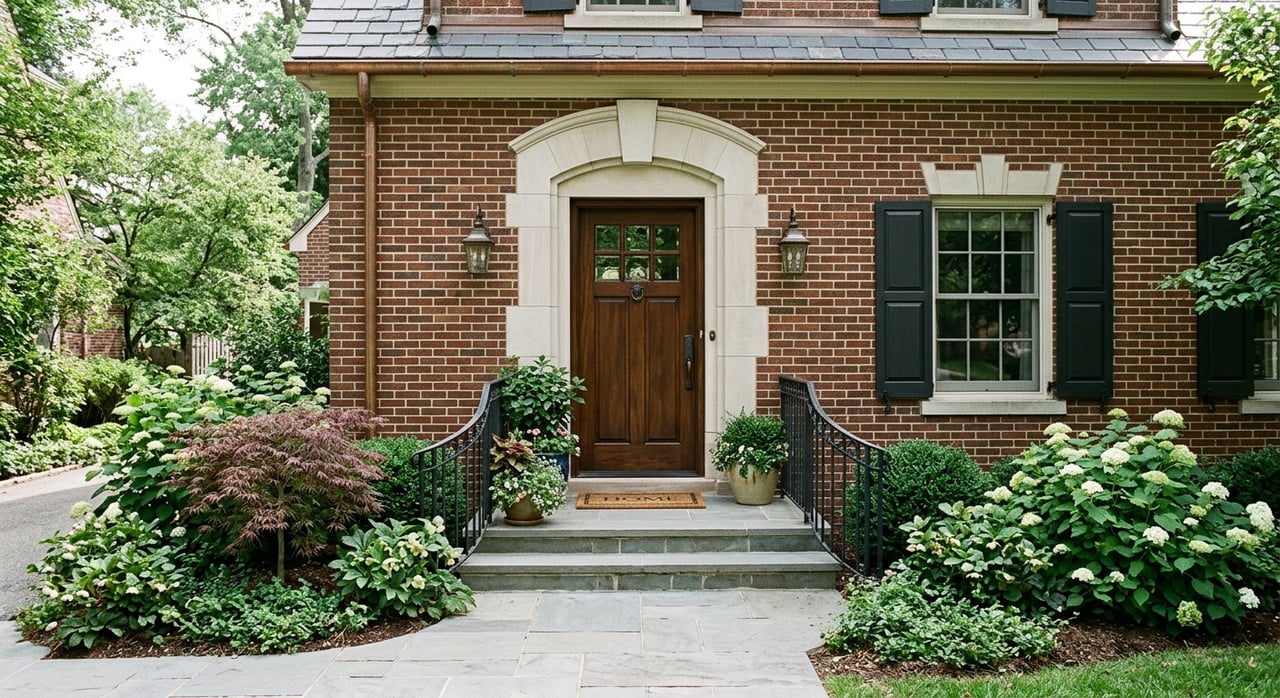
Ever notice how some neighborhoods feel memorable the moment you drive in? In Sequoyah Hills, that feeling comes from more than curb appeal alone. It comes from a layered mix of architecture, mature trees, rolling topography, and homes that were designed to work with the landscape instead of flattening it. If you are trying to understand what makes this Knoxville neighborhood stand out, the architectural story is a great place to start. Let’s dive in.
Why Sequoyah Hills Looks So Distinct
Sequoyah Hills did not grow as one single subdivision with one style or one builder. Knoxville’s historic survey describes it as a neighborhood that developed in phases, with different sections showing different ages, street patterns, and architectural character from the 1920s through the beginning of World War II.
That layered growth matters when you look at homes here today. Instead of a copy-and-paste streetscape, you see a neighborhood shaped over time. The result is a strong visual identity that still leaves room for variety.
Revival Styles Lead the Neighborhood
The architectural backbone of Sequoyah Hills is made up of revival styles. Knoxville’s architectural guide specifically identifies Colonial Revival, Dutch Colonial Revival, and Tudor Revival as key styles found in the neighborhood.
These homes tend to feel timeless because they rely on classic proportions and recognizable details. In many parts of Sequoyah Hills, those features work together with the landscape to create the elegant, established character buyers notice right away.
Colonial Revival Homes
Colonial Revival houses are often some of the easiest homes to recognize in Sequoyah Hills. They typically feature symmetrical façades, brick or wood clapboard exteriors, and decorated entryways that draw your eye to the front door.
In practical terms, that often means a balanced exterior and a formal appearance. You may also notice fanlights, sidelights, columns, or pilasters that give the entrance a stronger architectural presence.
Dutch Colonial Revival Details
Dutch Colonial Revival homes bring a slightly different look to the neighborhood. Knoxville’s style guide points to gambrel roofs and simple porticos as hallmark features.
That roof shape often gives these homes a softer, more relaxed profile while still fitting the neighborhood’s traditional feel. In a setting like Sequoyah Hills, that can create a home that feels both historic and approachable.
Tudor Revival Character
Tudor Revival homes add some of the neighborhood’s most dramatic rooflines and silhouettes. The style is known for steep gables, stucco, irregular massing, and large chimneys.
When you see a Tudor home in Sequoyah Hills, it often feels especially tied to the sloping terrain and mature trees around it. The style’s varied shapes and strong masonry details give it a distinctive presence without feeling out of place.
Georgian and Other Formal Influences
Within the Scenic Drive area, local preservation documents identify Georgian Revival and Tudor Revival as especially significant. The same area also includes examples of Colonial Revival, Neoclassical, and Italian Renaissance homes.
These styles share some common visual themes. You will often see strong front entries, balanced façades, slate or tile roofs, and carefully composed windows and doors. Together, they help explain why parts of Sequoyah Hills feel polished, formal, and deeply rooted in early 20th-century design.
Common Features to Watch For
If you are touring homes in Sequoyah Hills, a few recurring details can help you spot the neighborhood’s defining architecture:
- Symmetrical or carefully balanced front façades
- Steep rooflines or complex roof shapes
- Slate or tile roof coverings on some older homes
- Brick or stone chimneys
- Porches, porticos, and formal front entries
- Columns, pilasters, fanlights, and sidelights
- Windows grouped and sized to fit the original design
These details matter because they are part of what gives many homes their long-term character. They also tend to be the features preservation guidelines encourage owners to retain.
Craftsman and Bungalow Variety
Even with the strong presence of revival architecture, Sequoyah Hills is not limited to one look. Craftsman homes and bungalow influences add another layer of variety.
Knoxville’s planning guide describes Craftsman houses as low, horizontal homes with exposed rafters, broad porches, and natural materials. Those details create a more relaxed and grounded look than some of the neighborhood’s more formal revival homes.
Hybrid Homes Tell the Story
One of the more interesting parts of Sequoyah Hills is that not every house fits neatly into a single style category. The Scenic Drive survey even notes a Queen Anne house with Craftsman influence, showing how earlier Victorian forms were updated with newer early-20th-century details.
That kind of overlap helps explain why the neighborhood feels collected rather than uniform. It reflects real architectural change over time, not a single design trend frozen in place.
Mid-Century Homes Show Ongoing Change
Sequoyah Hills did not stop evolving after the 1930s. The Scenic Drive report says the architecture in the area ranges from the first quarter of the 20th century to the present and includes Ranch houses, Minimal Traditional houses, a rare Art Moderne home, and a notable Gunnison prefabricated home.
That matters for buyers because it broadens what “fits” in Sequoyah Hills. You can find homes with historic revival character, but you can also find postwar styles that show the neighborhood continued to grow and adapt.
Why That Range Matters for Buyers
For a buyer, this architectural range can be a real advantage. It means the neighborhood may offer different price points, layouts, and maintenance profiles depending on the age and style of the home.
It also means you should evaluate each property on its own terms. A Tudor Revival home, a Ranch house, and a Minimal Traditional home may all belong in Sequoyah Hills, but they can come with very different design features and upkeep needs.
The Landscape Is Part of the Architecture
In Sequoyah Hills, the setting is not just background scenery. It is part of what defines the neighborhood. Knoxville-Knox County Planning describes the Scenic Drive area as having a park-like setting tied to the work of landscape architect Earle S. Draper, with lawns, plantings, semi-wooded areas, and mature trees as core elements of neighborhood character.
That landscape-first approach changes how the homes are experienced. Houses are often framed by topography and tree cover, which adds to the sense of privacy, depth, and architectural presence.
Topography Shapes the Streetscape
The neighborhood’s lots and setbacks respond to the land itself. According to the Scenic Drive guidelines, setbacks vary widely, from relatively modest front yards to ridge-side estate lots with setbacks from 50 feet to more than 400 feet.
That variation is a big reason Sequoyah Hills feels visually rich. Homes sit differently on their lots, streets do not feel rigid, and the natural contours of the land remain a visible part of the neighborhood design.
Riverfront Context Adds Identity
The Scenic Drive guidelines also point to the area’s relationship to the river, including historic access to the river landing via Blows Ferry Road. That connection to the water is part of the neighborhood’s historic development pattern and overall sense of place.
For buyers, this means the appeal of Sequoyah Hills is about more than a house style. It is also about how architecture, lot placement, and the broader landscape work together.
What Buyers Should Know About Older Homes
If you are considering an older home in Sequoyah Hills, style is only part of the picture. You also need to understand whether the property sits in a designated local historic district or within a neighborhood conservation overlay.
Knoxville-Knox County Planning states that the Historic Zoning Commission reviews applications for building permits within designated historic zones. The Scenic Drive NC-1 guidelines also regulate demolition and new construction. At the same time, National Register listing by itself does not automatically subject private work to historic review.
Exterior Changes May Be More Limited
In practice, that often means owners are encouraged to preserve character-defining features rather than make sweeping exterior changes. The local guidelines emphasize repair over replacement for distinctive elements and recommend matching original materials when possible.
That can include preserving original-looking windows, retaining slate or tile roofs, keeping porches and formal entries intact, and avoiding additions that overwhelm the original façade. If you love architectural character, that is part of the appeal. If you want to make major exterior updates, it is worth understanding those expectations early.
Site Conditions Matter Too
With older homes in a mature neighborhood, the lot can matter just as much as the house. The Scenic Drive report highlights issues like drainage, tree preservation, paving, and the placement of additions or garages.
The guidelines specifically discourage excessive impermeable paving, front-yard parking pads, and unnecessary loss of mature trees. They also note that a property’s contributing or noncontributing status can affect how much flexibility an owner has when planning changes.
Why Architecture Matters in Real Estate
Architecture is not just a design topic. In a neighborhood like Sequoyah Hills, it shapes how homes live, how they are maintained, and how buyers experience value.
A Colonial Revival with a balanced façade and original details may attract one kind of buyer. A mid-century Ranch with simpler lines may attract another. Understanding the style of a home helps you better evaluate its upkeep, renovation potential, and how it fits into the broader neighborhood setting.
What Makes Sequoyah Hills Enduring
The lasting appeal of Sequoyah Hills comes from the combination of architecture and setting. The neighborhood is defined by a layered mix of revival styles, later 20th-century additions, mature tree cover, varied setbacks, and homes that respond to rolling topography rather than ignore it.
That is why Sequoyah Hills feels both elegant and lived-in. It has visual consistency where it counts, but enough variation to stay interesting from one block to the next.
If you are buying or selling in Sequoyah Hills, understanding these architectural patterns can help you see the neighborhood more clearly and market a home more effectively. If you want local guidance on what makes a specific property stand out, connect with Tyler Owens for neighborhood-focused insight and full-service buyer or seller support.
FAQs
What architectural styles are most common in Sequoyah Hills Knoxville?
- Sequoyah Hills is especially known for Colonial Revival, Dutch Colonial Revival, and Tudor Revival homes, with additional examples of Georgian Revival, Neoclassical, Italian Renaissance, Craftsman, Ranch, and Minimal Traditional styles.
What makes Sequoyah Hills architecture different from newer Knoxville neighborhoods?
- Sequoyah Hills developed in phases from the 1920s through the start of World War II and beyond, so its homes reflect a layered mix of styles, varied setbacks, mature trees, and streets shaped by topography rather than a more uniform subdivision layout.
What should buyers know about historic rules in Sequoyah Hills?
- Buyers should confirm whether a property is in a designated local historic district or conservation overlay, because local review may apply to building permits, demolition, new construction, and some exterior changes.
Are mid-century homes part of Sequoyah Hills architecture?
- Yes, local preservation documents note that Sequoyah Hills includes postwar and mid-century homes such as Ranch and Minimal Traditional houses, along with a rare Art Moderne home and a Gunnison prefabricated house.
Why do lots and landscaping matter in Sequoyah Hills?
- The neighborhood’s character depends heavily on its park-like setting, mature trees, river relationship, and topography, which influence setbacks, house placement, and the overall streetscape.
What original home features are important to preserve in Sequoyah Hills?
- Local guidelines emphasize preserving distinctive features such as original windows, slate or tile roofs, porches, formal entries, masonry details, and additions that remain secondary to the original house design.